Apple seeds seem harmless until you chew them
It usually starts as a small, tidy habit: you finish an apple and don’t want to waste the crisp part near the core. The seeds are smooth and hard, almost like they’re meant to be swallowed without thought. If one slips down intact, nothing about your body’s reaction really stands out, so it’s easy to file them in the “harmless” category.
But chewing changes the experience in a way people don’t always notice in the moment. The seed coat is basically a built-in barrier, and when it stays unbroken, your digestive system may not get much access to what’s inside before it passes through. Crack that shell, though, and suddenly the contents are exposed—sometimes in the same bite where you’re also chewing fibrous core, which can make it hard to tell what you even swallowed.
That’s where the misunderstanding tends to settle in: it’s not “a seed” that matters so much as what you did to it. A couple of seeds chewed absentmindedly once in a while may not feel like anything at all, but a routine of chewing the core or tossing whole apples into a high-powered blender can quietly turn “barely noticed” into “regular exposure,” without any obvious sign right away.
What’s inside the seed that raises concern
The first hint is often just a faint bitterness that seems out of place in a sweet bite. People sometimes blame the peel or a slightly overripe spot, but that sharp note can be the seed itself—especially if it’s been cracked. Once the hard coat breaks, the inside isn’t neutral in the way most “fiber-forward” foods are.
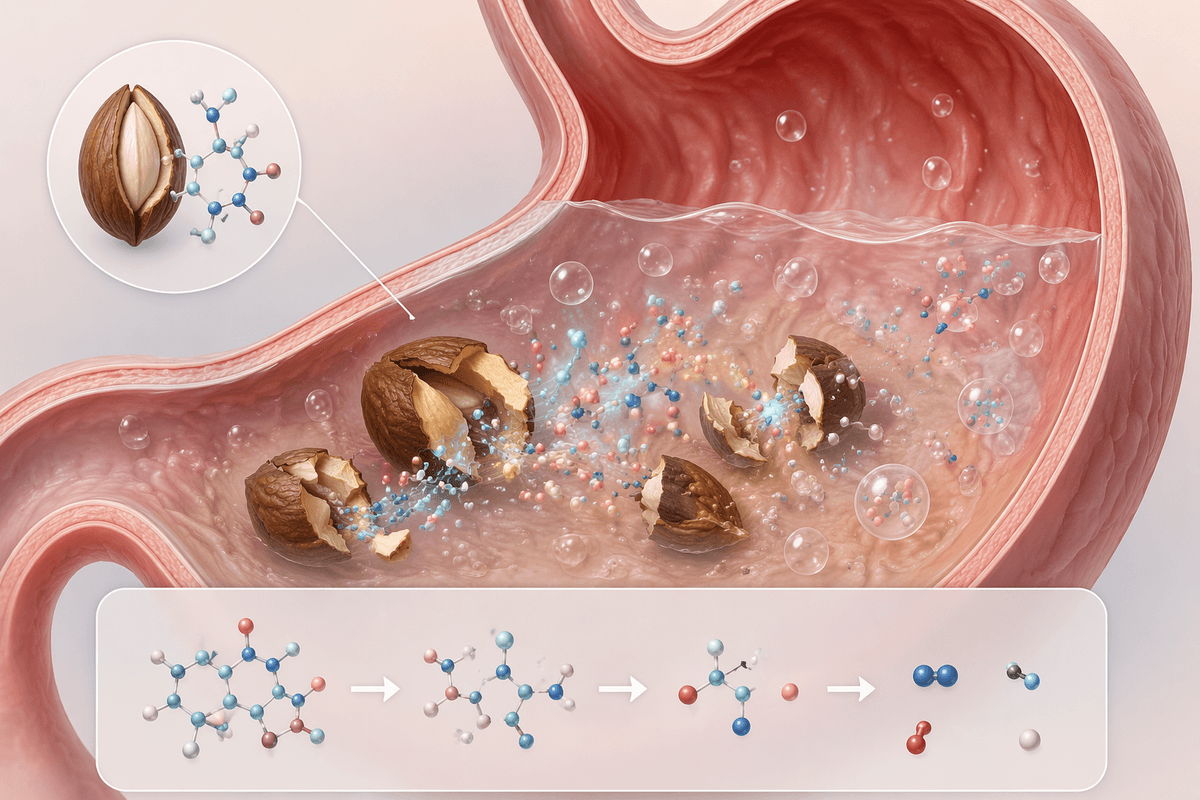
Apple seeds contain a natural compound called amygdalin. On its own, it’s not something you taste and identify by name, but when the seed is crushed and mixed with saliva and digestive enzymes, amygdalin can be broken down in a way that releases small amounts of cyanide. That’s the part that raises concern—not because one accidental seed is usually dramatic, but because the chemistry depends on access. Intact seeds tend to move through like tiny pebbles; crushed seeds behave more like an ingredient your body can actually react to.
There’s no clear “alarm bell” sensation tied to low exposure. If you feel off later, it’s easy to attribute it to the apple’s acidity, a smoothie that hit too fast, or a busy day—so the role of the seeds can stay hidden in plain sight.
Chewing changes the dose more than people expect
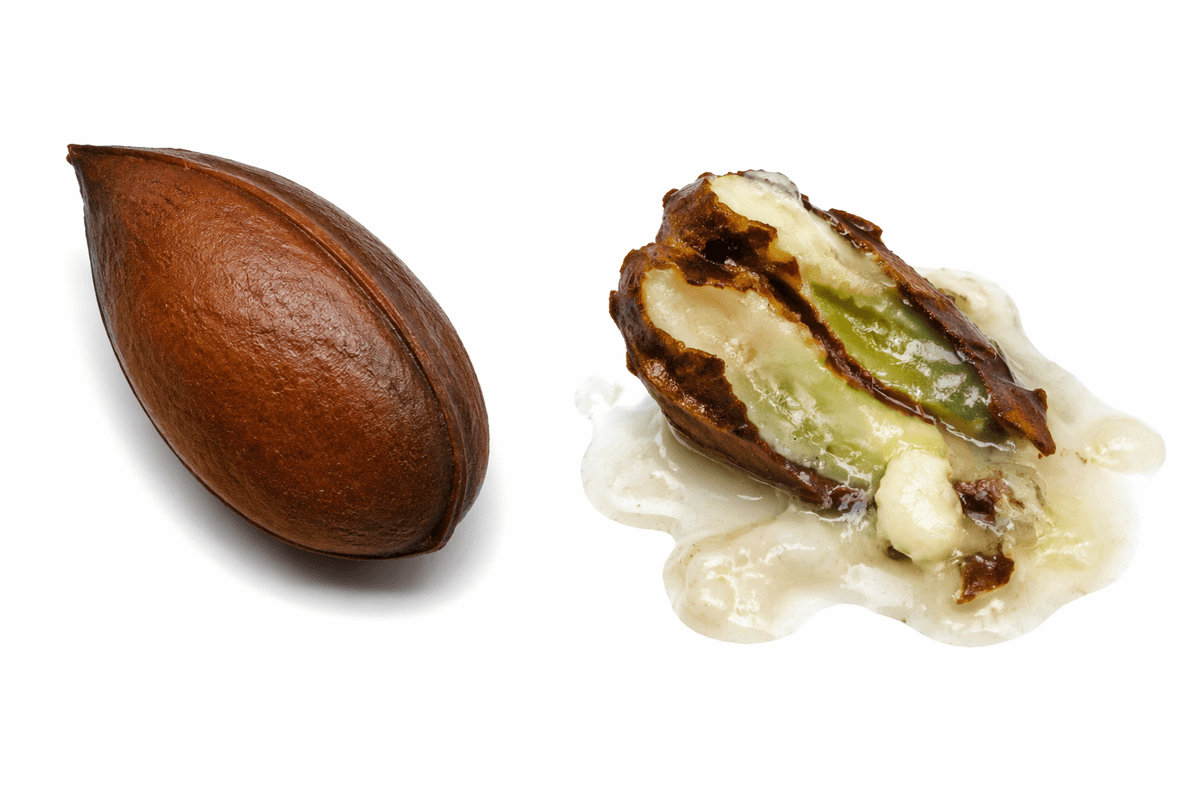
The moment it changes is usually ordinary: you’re chewing through the last crunchy bits near the core, and something pops—almost like a tiny grit between your teeth. That crack is easy to ignore, especially if you’re also dealing with peel, pulp, and fibrous core. But it’s a different situation than swallowing a seed whole.
When a seed stays intact, the tough coat can limit how much contact the inside has with saliva and digestive enzymes before it moves along. Chewing, crushing, or blending turns that “sealed capsule” into exposed material, which can make it easier for amygdalin to break down and release small amounts of cyanide. The surprise for many people isn’t that apple seeds contain something reactive—it’s how quickly the “dose” shifts with texture.
A few cracked seeds once in a while may still amount to very little, but routines like core-chewing or tossing whole apples into smoothies can quietly stack the same small choice into a bigger pattern.
Why effects can feel delayed or hard to interpret
It can be hours later when you notice it, if you notice anything at all: a faint headache that doesn’t feel “food-related,” a little nausea that comes and goes, an odd lightheaded moment you blame on skipping lunch. Because the apple itself is familiar, it’s natural to assume the seeds couldn’t be the factor—especially when the bite that cracked them was mixed in with tart fruit, fiber, and whatever else you ate that day.
Once seeds are crushed, the amygdalin inside has more contact with saliva and digestive enzymes, and any breakdown products aren’t experienced as a distinct taste or immediate jolt. They’re also easy to confuse with more common culprits: caffeine, dehydration, a smoothie that moved through faster than expected, or the “too much fruit on an empty stomach” feeling.
That uncertainty is why patterns matter more than single moments. If the exposure stays small and infrequent, there may be nothing to connect. But if chewing cores or blending whole apples becomes daily, the body’s reactions—if they show up—can look like a vague collection of off days rather than one clear, traceable event.
The pattern risk: small choices repeated over time
It’s often the second apple of the day when the habit becomes invisible. You’re not “doing something risky,” you’re just finishing the core, rinsing the blender, moving on. Because nothing obvious happens right afterward, it can feel like proof that the seeds don’t matter—when it may only mean the amount you exposed your body to was small enough to blend into everything else you’re already managing.
The pattern risk is less about a one-off cracked seed and more about how frequently the seed contents get released. Intact seeds tend to pass through with their hard coat limiting access. Crushed or blended seeds are different: more surface area, more mixing with saliva and digestive enzymes, and more opportunity for amygdalin to break down. If that happens repeatedly—daily smoothies with whole apples, or a routine of chewing through several cores—the “tiny dose” you never notice can become a steady background exposure.
And because the signals, if they show up, can look like ordinary stuff—mild headaches, queasiness, an off afternoon—it’s easy to adjust the wrong thing while the small repeated choice stays the same.
When a reasonable “healthy” habit backfires unexpectedly
Sometimes it’s the blender cup that gives it away—there’s a faint bitter edge in a smoothie that otherwise tastes “clean.” You might assume it’s spinach, lemon, or a tired apple, especially if you’re proud of using the whole fruit. But when the core and seeds are pulverized, that bitterness can be a clue that you didn’t just eat more fiber; you changed what parts of the apple actually got broken open.
This is how a reasonable habit can backfire without looking dramatic. Swallowing a stray seed intact is one thing; regularly cracking or blending several seeds is another, because exposed seed material has more contact with saliva and digestive enzymes, giving amygdalin more opportunity to break down and release small amounts of cyanide. You may feel nothing, or you may feel slightly “off” and blame sugar, acidity, or timing—so the habit keeps repeating.
It can be especially confusing with “health upgrades” like higher-speed blenders or adding extra apples for sweetness. The routine feels cleaner, but the exposure pattern quietly shifts.
Practical clarity: what avoidance usually means in real life
It’s usually a small moment of cleanup that creates the question: you rinse the blender and notice a pale grit clinging to the sides, or you bite down near the core and feel that tiny crunch again. The instinct is to think “it’s all the same apple,” so avoiding seeds must mean being overly cautious. In real life, though, the line people miss is whether the seeds stayed intact or got turned into pulp.
For most routines, “avoidance” looks less like perfection and more like not regularly crushing seeds. Spitting out the seeds as you eat, coring apples before blending, or tossing the core instead of chewing through it keeps the hard coat doing its job—limiting how much of the inside actually contacts saliva and digestive enzymes. Some apples have more seeds, smoothies hide the taste, and a “whole fruit” habit can quietly change dose without feeling like a change.
If you’re trying to make the habit predictable, it helps to treat intact seeds like something you occasionally swallow, and crushed seeds like an ingredient you’re choosing—especially when it’s happening day after day.






![6 Best Seeking Alpha Alternatives [Competitors’ Sites to Use]](static/image/2026/07/14/efb52e0a-28fa-4572-b12f-5ea63c79b09e.png)