Two weeks in Kyoto isn’t about cramming sights
I hesitated at the station lockers with a paper map half-folded, watching two tour groups surge toward the same bus bay. It was 8:17 a.m., I had a convenience-store coffee in one hand, and my “must-see” pins were scattered like confetti from Arashiyama to Fushimi Inari. The plan looked elegant on a screen; on the ground, it immediately felt like I’d designed a commute.
Two weeks in Kyoto works best when you treat time as the scarce resource, not temples. One extra transfer can cost more than the entry fee you’re trying to save, and a bus that’s “15 minutes” on paper becomes 35 when traffic knots up near popular corridors. The trade-off is simple: chase every famous gate and you’ll get the highlights but also the same crowd flow, the same photo bottlenecks, and a creeping temple-fatigue that makes even beautiful places blur together.
A looser approach isn’t code for doing less; it’s choosing fewer districts per day so you can arrive before the tour waves, linger for seasonal light, and still eat well without panic. If you’re on a mid-budget (¥12k–18k/day), it usually makes sense to spend on one smart shortcut—an occasional taxi hop across a transit gap or a paid garden that stays calm—so you can save your energy for walking neighborhoods. Kyoto rewards repetition: returning to one shrine at dusk can beat three rushed icons at noon, even if it feels counterintuitive at first.
Set up your Kyoto home base
I remember hovering over two hotel tabs at 11:46 p.m., thumb scrolling between “Gion, traditional” and “Kyoto Station, convenient,” while my laundry quietly timed out in a Tokyo capsule. The photos made Gion look like a shortcut to atmosphere, but the map kept flashing long, bus-heavy diagonals to everywhere I’d actually be going. Even the cheaper room started to look expensive once I pictured repeating that transit friction for fourteen days.
For a solo traveler trying to avoid temple fatigue, the best “home base” is the one that reduces daily decision load. I’d bias toward a boringly practical center—somewhere walkable to Karasuma Oike/Shijo (or at least one subway line plus easy bus access)—because it splits the city into manageable halves: east (Higashiyama/Gion), northwest (Arashiyama), and south (Fushimi). Kyoto Station works if you’re doing multiple day trips, but it can feel like you’re living in a transit hub; great at 7 a.m., oddly sterile at 9 p.m.
Then pick one intentional splurge and one intentional save. Splurge: pay a bit more for a quieter room (thin walls and early alarms are a real tax), or budget for a short taxi when a “simple” cross-town route turns into two transfers and a crowded bus. Save: keep breakfasts simple and build a repeatable evening loop—one dependable ramen/izakaya near your lodging—so the days you come back wrecked, you’re not negotiating dinner like it’s another attraction.
Days 1–4: Classics without the chaos
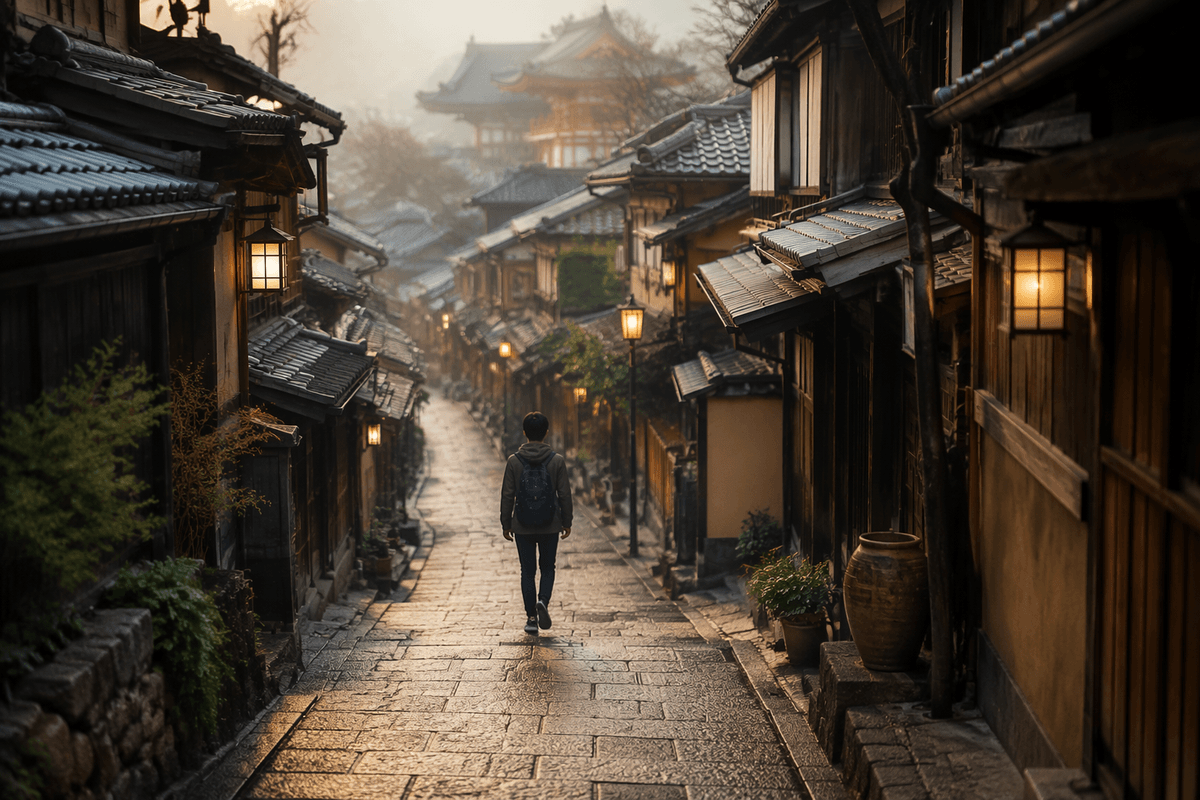
On my first morning I paused at the top of the Karasuma Line stairs, watching the platform clock click from 6:58 to 6:59 while I debated one more stop versus getting off early to walk. The air still had that pre-commute quiet, and my only “plan” was a folded list that said Kiyomizu-dera, Gion, and “somewhere for good tofu.” It felt almost too light compared to the internet itineraries—until I remembered how fast Higashiyama turns into a moving sidewalk after 9:00.
For Days 1–2, keep your classics inside one east-side corridor: early Kiyomizu-dera (or Kodai-ji if you want similar beauty with less shoulder-to-shoulder pressure), then drift downhill through Ninenzaka/Sannenzaka toward Yasaka Shrine and the back streets of Gion. You’ll “miss” a lot on paper, but you gain usable time—fewer bus rides, more moments when the lanes are still yours. If you’re splurging anywhere, this is when a short taxi hop saves you from an exhausting cross-district transfer right when your feet start bargaining.
Days 3–4 is when I’d switch textures to avoid temple blur: one dawn run at Fushimi Inari (treat it like a hike, not a photo stop), then later the same day keep it grounded with Nishiki Market and a simple dinner loop near Shijo. Arashiyama can wait; doing it now is efficient only if you’re willing to leave before breakfast and accept that the bamboo grove is better as a quick pass-through than a “lingering” spot.
Days 5–9: Nature, crafts, and neighborhoods
I misread the bus stop sign outside Demachiyanagi and watched the “next” bus count down to 19 minutes, then 23, like it was bargaining. A couple in rented bikes rolled off toward the Kamo River while I stood there with damp sleeves and a coffee that was already losing the fight. That was the moment I stopped treating north Kyoto like a quick add-on and started giving it its own day.
Days 5–6, I’d pivot to nature in a way that still respects transit: one full Arashiyama day (but not the “bamboo-at-10:30” version) and one north-side day (Kurama–Kibune if you want a hike texture, or Ohara if you want quieter lanes and mossy calm). The trade-off is timing: Arashiyama rewards a sunrise train and an early exit, while Kurama/Ohara rewards starting later if it’s cold or rainy—just don’t stack both with central Kyoto errands, because the cross-town bus drag will eat your afternoon.
Days 7–9 is where I’d buy back freshness with crafts and neighborhoods: a morning around Gojo’s pottery shops or a small museum like Kawai Kanjiro’s, then let yourself wander Nishijin backstreets or the Demachi/Shimogamo area without “must-sees.” It works best if you like slow lunch spots and river walks; if you need constant landmark hits, you’ll feel under-stimulated. Pick one craft-heavy block per day, and keep one evening completely unplanned—Kyoto feels kinder when you stop sprinting for it.
Days 10–13: Deep Kyoto and easy day trips
I hit “search” on the JR ticket app at 7:12 a.m. and watched the next limited express seats evaporate while the café printer spit out someone else’s receipt. My notebook said “day trip” like it was a single click, but the calendar didn’t care: weekends, school holidays, and even rainy days can push you into standing-room trains. That tiny booking friction is your cue to keep Days 10–13 flexible, not fragile.
For “deep Kyoto,” I’d use two days to revisit one side of the city with a narrower lens instead of a new checklist—think early Philosopher’s Path-to-Ginkaku-ji pace, or a calmer temple pair like Nanzen-ji + a long canal walk, then an afternoon that’s explicitly for food and small streets. It’s less impressive on a map than hopping districts, but it’s kinder on your legs and it cuts the dead time of transfers. If you don’t enjoy strolling without a headline sight every 20 minutes, this approach will feel slow; for temple-fatigue prevention, it’s basically medicine.
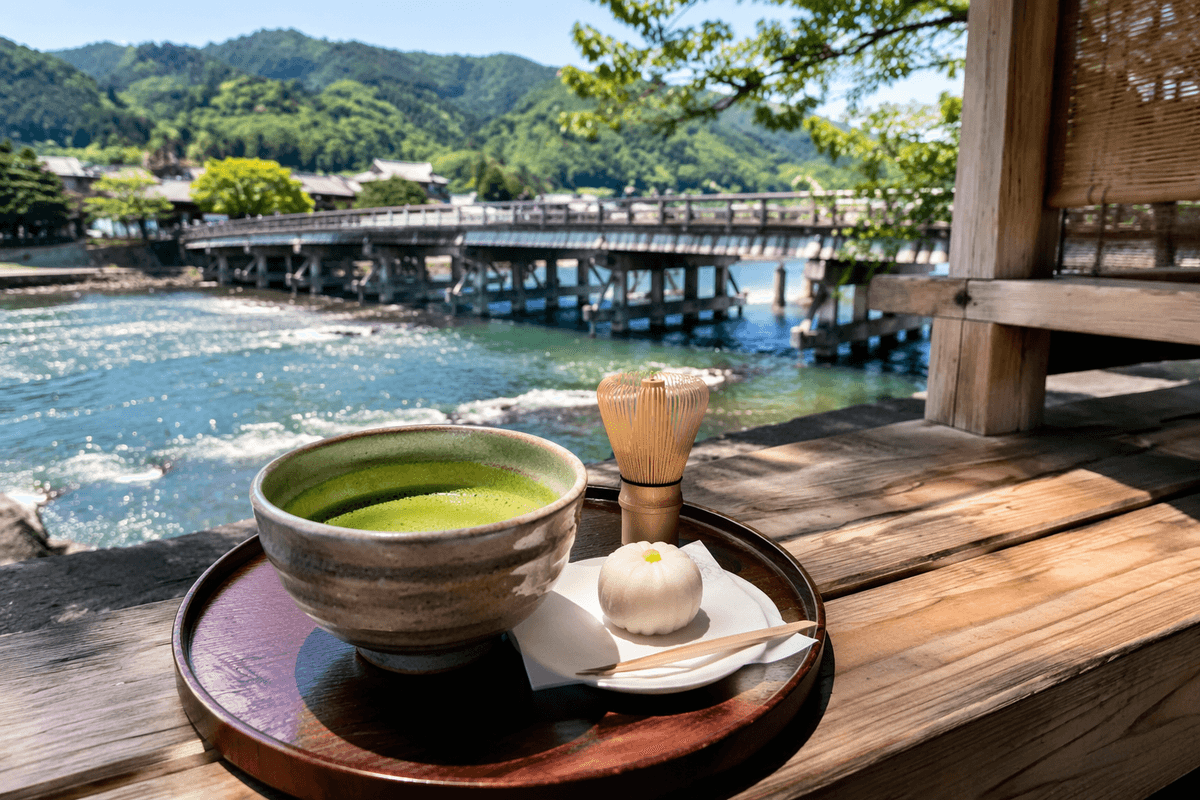
Then pick one truly easy day trip and one “only if you start early” day. Easy: Uji for matcha, the river, and a half-day that still lets you be back in Kyoto for dinner without sprinting. “Start early”: Nara works when you arrive before the deer-and-tour-bus crush; otherwise it becomes crowd flow plus souvenir streets. I’d rather do one of these well than force both back-to-back—your best Kyoto evenings are the ones you’re not returning from a platform at 9 p.m., bargaining with your feet.
Days 14 and the plan I’d actually follow
At 6:41 a.m. on Day 14, I stood under the lobby’s too-bright lights with my backpack half-zipped, debating whether to chase one last “icon” or just walk. The forecast on my phone said clear, but the street outside still looked undecided, slick at the edges from last night’s rain. I’d already learned that one more transfer can feel heavier than one more temple.
The Day 14 plan I’d actually follow is deliberately boring on paper: a repeat visit in the same district you liked most, at the time of day it treated you best. If Higashiyama clicked, go back early for quieter lanes and pick a single paid garden or temple you skipped—not three—then drift toward a long lunch you don’t have to earn. If Arashiyama was your calm day, return for river air and leave before the midday crowd flow turns the main strip into a slow queue. This works for solo travelers who like light structure; if you need novelty to stay engaged, you’ll feel like you’re “wasting” a day.
After that, I’d spend the afternoon doing the unglamorous things that protect tomorrow-you: a souvenir run, laundry, a sit-down coffee, maybe a short taxi to avoid a final, inefficient cross-town bus grind. The trade-off is obvious—less bragging rights, more usable energy—and by evening you’ll know which one you needed. If you’re torn, choose the version that gets you to dinner unhurried; Kyoto’s best goodbye is calm, not one last sprint.





![6 Best Seeking Alpha Alternatives [Competitors’ Sites to Use]](static/image/2026/07/14/efb52e0a-28fa-4572-b12f-5ea63c79b09e.png)