Popularity isn’t the point—fit is
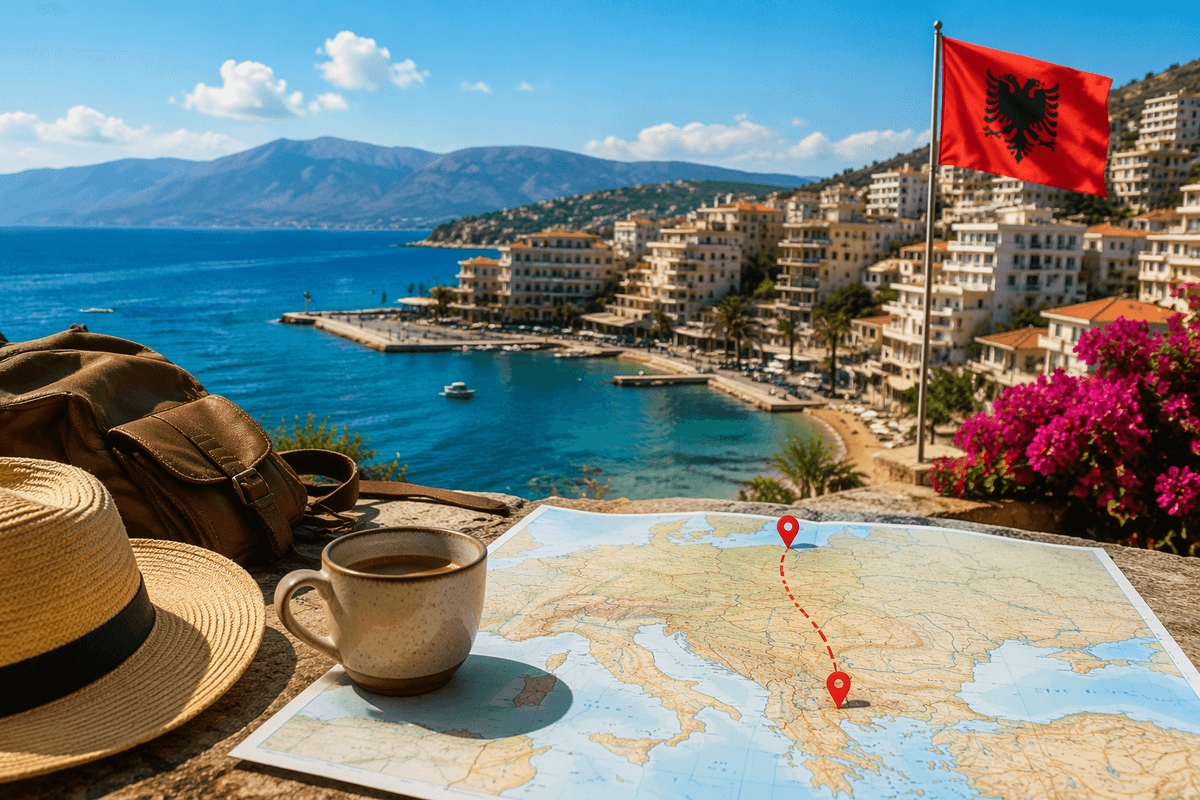
The map made it look clean: Copenhagen to Stockholm to Tallinn, neat little dots you could connect with a finger. Then I pulled up ferry times and realized one “simple” hop could mean a 6:30 a.m. departure from a different terminal than the one near the hotel, plus a suitcase drag over uneven cobblestones. A Baltic cruise can erase that friction, but it also replaces it with a different kind of constraint: you’re living on a schedule that isn’t yours.
Popularity is a blunt metric here. The “most popular” sailings often bundle the same headline capitals, yet the lived experience can swing wildly based on port hours, how many ships are in town, and whether you’re arriving when the city is already at its busiest. If you’re the kind of couple that gets more joy from a slow afternoon in Södermalm than from checking off three museums before lunch, a cruise with shorter calls can feel like speed-dating with cities—efficient, but not intimate.
So the question isn’t “Is the Baltic cruise worth it?” as much as “Which inconvenience do you tolerate better?” Cruising works best for travelers who want one unpack, predictable meals, and a comfortable reset between ports—even if some days end early. A DIY rail/ferry loop fits better if you’d rather trade planning effort for longer nights in each capital and a little less crowd choreography at the gangway.
Choose your season: daylight vs crowds
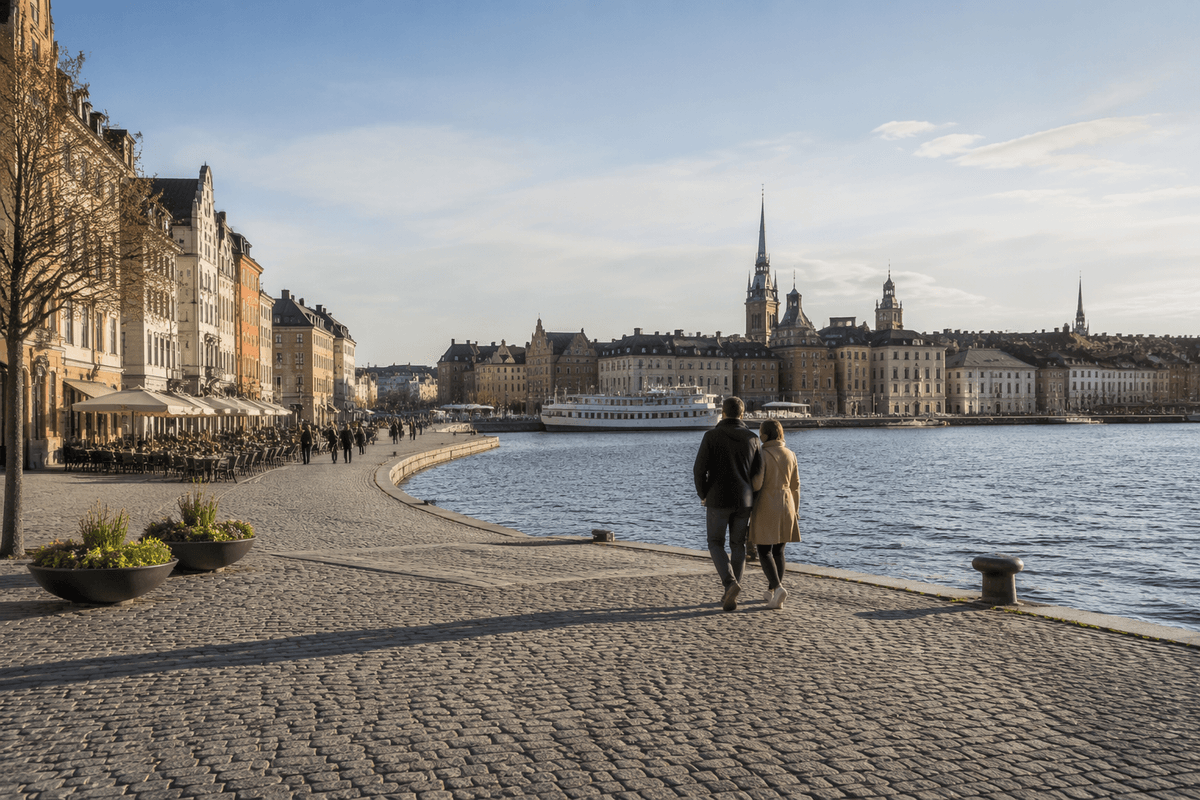
I hesitated over the calendar the way you hesitate at a crosswalk: July looked bright and obvious, but it also looked loud. The sailing I’d bookmarked had a higher fare for a balcony and only a 9:00 a.m.–4:00 p.m. Stockholm call, which suddenly felt like paying more for less time. On paper, “peak season” reads like a reward; in practice, it can be the moment you’re queuing behind three other ships for the same old-town lanes.
If daylight is your priority, late June into early August buys you long evenings and that lingering, post-dinner glow in places like Tallinn and Stockholm. The trade-off is crowd compression: more tour groups, more timed-entry pressure, and a higher chance the nicest waterfront tables are booked out by 6:00 p.m.—right when you’re trying to beat the “back on board” rush. That convenience of one unpack stays real, but it can feel less relaxing when every port funnels everyone through the same few choke points.
For couples booking 3–4 months out, late May/early June and early-to-mid September tend to be the sweet spot: decent daylight, slightly softer pricing, and ports that breathe a little more. You do give up some certainty—cooler wind off the water, a drizzly Copenhagen morning that makes an open-top bus a bad call—yet the pacing usually improves. If your goal is to actually wander, not just arrive, I’d bias shoulder season and spend the saved money on one longer shore day you won’t resent.
Pick the ports that matter most
I was halfway through booking when I noticed the fine print: “Stockholm (Nynäshamn) 8:00 a.m.–3:00 p.m.” and suddenly the fare difference between two “similar” itineraries felt less like a deal and more like a trap. Nynäshamn looks close on a map, but it’s a real commute compared with stepping off in Copenhagen and being in the city fast. That one line changed what I thought I was buying.
For first-timers, the smartest move is to choose ports by how usable the hours are, not by how famous the name is. Tallinn usually punches above its weight because the Old Town is genuinely easy from the pier, so a shorter call can still feel unhurried. Stockholm can be the opposite: a marquee city where a short call plus a far-out dock (or a heavy museum plan) turns into clock-watching and transit math. If you hate feeling herded, prioritize ports where you can walk, improvise, and still make it back without a sprint.
A Riga or Helsinki day can be a calmer counterbalance to Copenhagen/Stockholm crowds, but it can also shave time from the ports you actually care about. Overnights (or late departures) are the upgrade that matters—more than another capital—because they let you eat ashore after the day-trippers retreat. If you’re booking 3–4 months out, I’d pick two must-have cities, then build the itinerary around the longest, cleanest calls to those.
Match ship style to your priorities
I got stuck on a deck plan at 11:40 p.m., toggling between two ships that hit the same ports, because one had twice the passenger count and a suspiciously small-looking buffet. The price gap wasn’t huge, but I could already picture the trade-off: more “stuff” on board versus more time spent navigating other people to get to it. That’s the Baltic in a nutshell—cities are tight, and so are ships when they’re full.
If your biggest worry is feeling overcrowded and touristy, ship size matters more than the brand slogan. Mega-ships can be great value for comfort-per-dollar (more dining options, better gyms, more cabin categories), yet they also create peak-time pinch points: breakfast before a 9:00 a.m. all-aboard, elevator traffic when everyone’s trying to get off at once, and longer waits for tendering if a port can’t dock you. Midsize ships usually feel calmer in the corridors and easier on embark/disembark flow, but you’re trading away some choice—fewer restaurants, fewer quiet nooks if you don’t hunt early, and sometimes higher fares for comparable cabins.
Then decide what you’re actually paying for: a balcony is nice in the archipelago, but if you’re rarely in the room during port-heavy days, it can be a pricey luxury compared with a well-located oceanview near midship (less motion, less hallway noise). If you value flexibility, skip itineraries that push you into fixed dining times every night; if you value simplicity, fixed dining can remove one daily decision. The “right” ship is the one that doesn’t make your mornings feel like a queue before the real day begins.
Plan embarkation and shore logistics
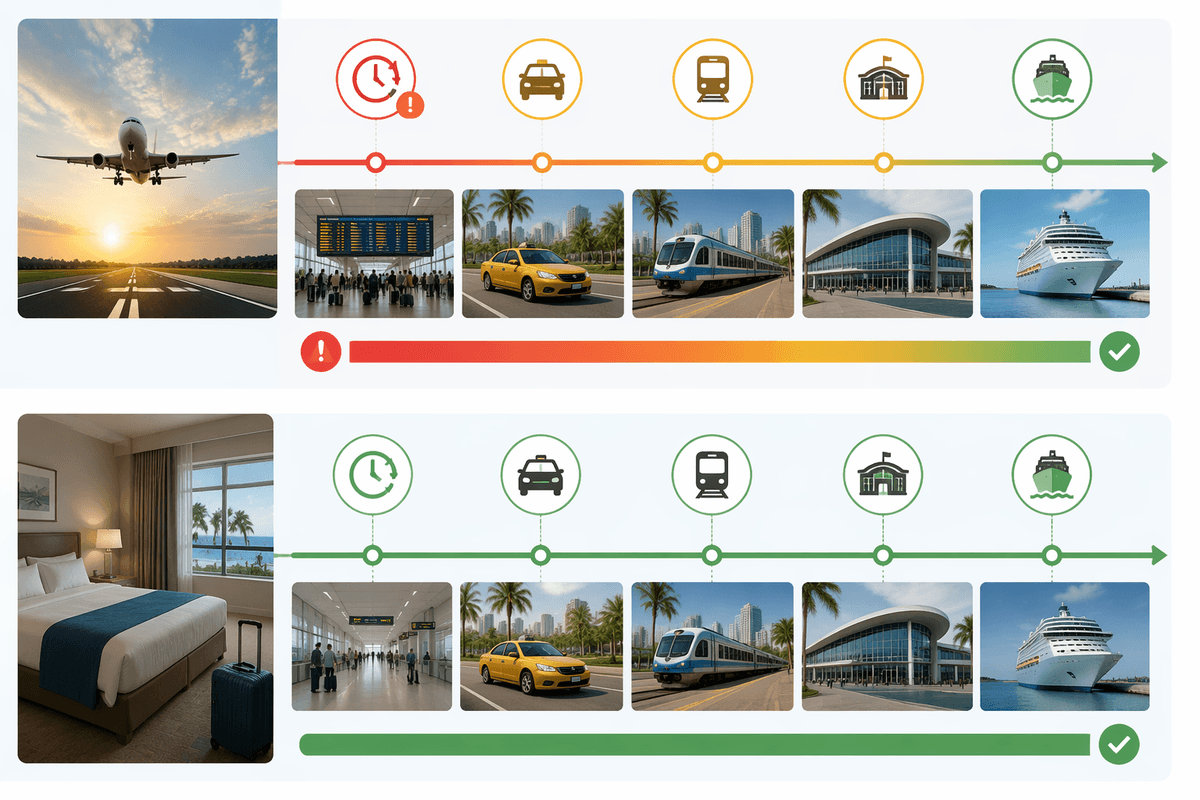
At 6:55 a.m. in Copenhagen, I stood on the wrong side of the terminal doors with a rolling bag and that small, stupid fear that I’d already lost the day. The taxi dropped us at what looked like “the port,” but the signage split into two similar names, and the line we joined was for a different ship entirely. It wasn’t a disaster—just a reminder that cruising only feels frictionless after you’ve picked the right moving parts.
For embarkation, the trade-off is usually money versus margin. Flying in the morning of departure can work on paper, but in practice it turns one delay into a high-stakes problem; arriving the day before costs a hotel night yet buys you a calmer start and a better shot at boarding early. If you’re booking 3–4 months out, I’d treat airport-to-port transit like a timed reservation: pre-price a taxi versus public transit, and confirm which terminal your line actually uses, because “Copenhagen” is specific until it isn’t.
Shore days reward couples who plan just enough. DIY wandering is often better than a ship tour in compact ports like Tallinn, where you can walk and pivot if Old Town feels crowded; Stockholm is the opposite, where a far-out dock plus a short call can make “we’ll figure it out” feel like sprint math. The sweet spot is one booked anchor per marquee city—an early museum entry or a reliable transfer—then leave slack for coffee, weather, and the very real crowd surge 60–90 minutes before all-aboard. If that kind of timing pressure sounds exhausting, that’s the hint to bias longer calls over more ports.
My best-first-time Baltic cruise plan
At 7:18 a.m., coffee cooling, I compared two “classic Baltic” itineraries line by line and circled the same problem: a 3:30 p.m. all-aboard in Stockholm. The ports were identical on the brochure, but one schedule forced a commute plus a museum sprint, while the other bought an extra two hours that felt like a different trip. That’s the moment I’d stop shopping by city list and start shopping by usable time.
For a first Baltic cruise with 8–10 vacation days, I’d pick a 7-night sailing that either starts/ends in Copenhagen or starts in Copenhagen and ends in Stockholm (or vice versa), then build around two “must-breathe” days: Tallinn with an early arrival, and Stockholm with the longest call you can find (late departure beats an extra capital). Aim for late May/early June or early-to-mid September: less crowd compression than July, still enough daylight to wander without turning every decision into a queue. Midsize ship if you’re crowd-sensitive; it’s a trade-off in onboard variety, but it usually pays back at the gangway and breakfast.
Booking 3–4 months out, I’d spend your effort on only three things: a day-before arrival hotel in Copenhagen, a pre-planned Stockholm transfer if the dock is distant, and one timed entry per marquee city (then keep the rest loose for weather and fatigue). If, after pricing it, the cruise premium feels like you’re paying extra to be rushed, that’s your cue to pivot to a DIY rail/ferry loop—and keep Tallinn as the anchor either way.