Why small habits shape mood more than events
It can be oddly hard to explain: nothing “bad” happened today, but your patience is thin anyway. The meeting was fine. The kids were fine. Even the news didn’t hit as hard as usual. And yet your body feels slightly braced, like it’s been holding its breath since breakfast.
Big events matter, but they’re not always what sets the emotional baseline. More often it’s the small, repeatable choices that keep the nervous system leaned forward—coffee before food, long stretches without moving, late-night scrolling that steals a clean wind-down, constant pings that interrupt your thoughts mid-sentence. None of these is dramatic on its own, which is why they’re easy to dismiss.
Over weeks, those tiny stress “taps” add up. Recovery gets slower, and moods can start to look unpredictable when they’re actually following a pattern you haven’t named yet.
Basic body cues that quietly steer emotions
You notice it in small ways first: a tight jaw while you read an email, a shallow breath on the drive, a sudden urge to snack that feels more urgent than hungry. It can register as “I’m cranky” or “I’m unmotivated,” when what’s really happening is your body quietly turning the volume up or down.
When breathing stays high in the chest, the nervous system can interpret the moment as slightly unsafe, even if nothing is wrong. Long gaps between meals can tilt you toward agitation or fog as blood sugar and stress hormones shift. Too much caffeine on a low-sleep day can feel like focus at first, then land as restlessness, faster thoughts, and a shorter fuse.
Some days you can “push through,” which makes the pattern easy to doubt. But if the same sensations keep showing up before the mood does, they’re often signals, not personality.
Sleep boundaries as emotional shock absorbers
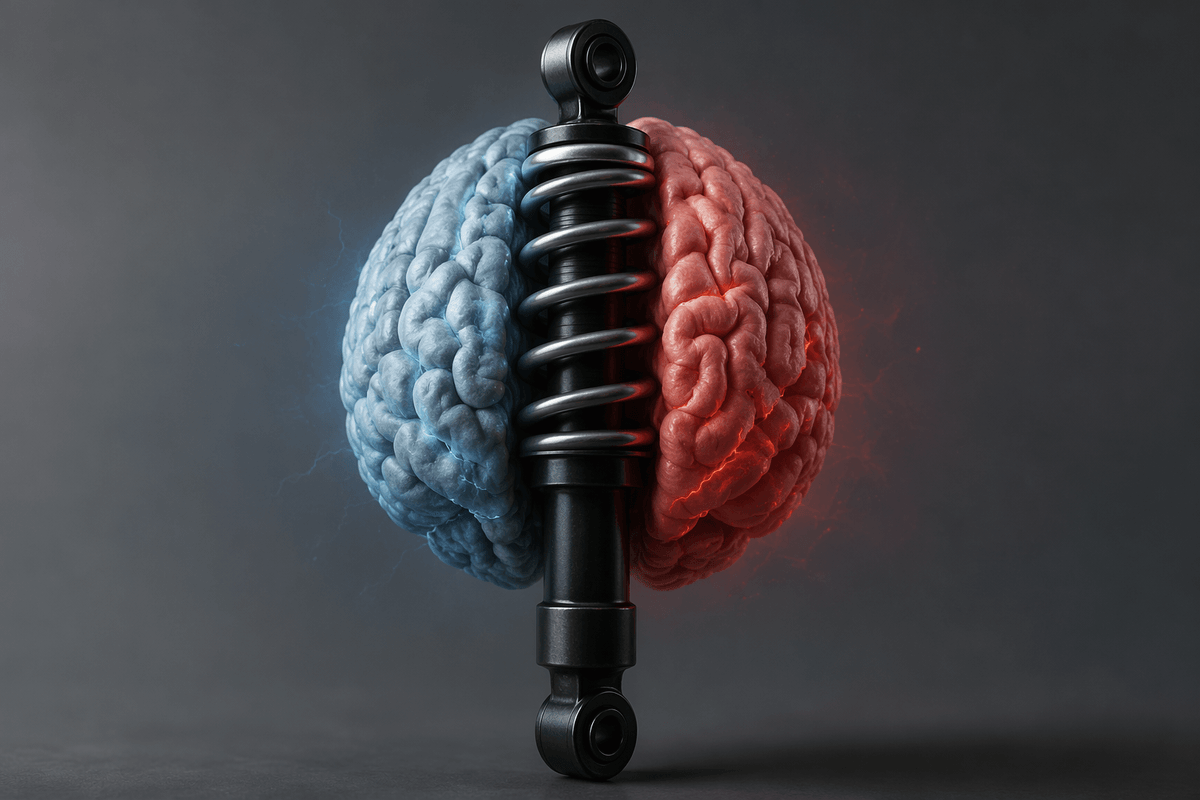
It often shows up the morning after a “not that late” night: your eyes feel gritty, but the real giveaway is how sharp everything sounds. A harmless comment lands as criticism. The to-do list feels heavier than it is. You might call it being moody, when it’s closer to running with less buffer.
Sleep works like a shock absorber because it’s when the brain and body dial down stress chemistry and recalibrate emotional responses. When bedtime keeps sliding—or you’re in bed but still mentally scrolling—your system can stay slightly activated. The next day, it may take less friction to trigger irritation, rumination, or that flat, dulled feeling that makes small joys harder to reach.
You can sometimes function fine on short sleep, which makes the pattern easy to dismiss. But over a few weeks, loose sleep boundaries often show up as faster reactions, slower recovery, and a narrower window for patience.
Movement breaks that reset attention and tone
Halfway through the afternoon, you stand up and your legs feel oddly heavy, like they’ve been folded away too long. Your mind might be racing, but your body is still in “desk mode”—shoulders up, breath shallow, eyes locked on a bright rectangle.
Long stretches of sitting can quietly push the nervous system toward vigilance. Muscles stay lightly contracted, breathing tends to creep higher in the chest, and attention narrows to whatever is on-screen. Even if the work isn’t stressful, the body can start acting as if it needs to brace—so irritability and mental noise show up faster.
A short movement break often changes the tone before it changes the mood: a few minutes of walking, light stretching, or standing and looking farther away can widen focus and soften that keyed-up edge. The limitation is consistency—on busy days you forget, and by the time you remember, you’re already reacting instead of resetting.
Connection rituals that reduce internal noise
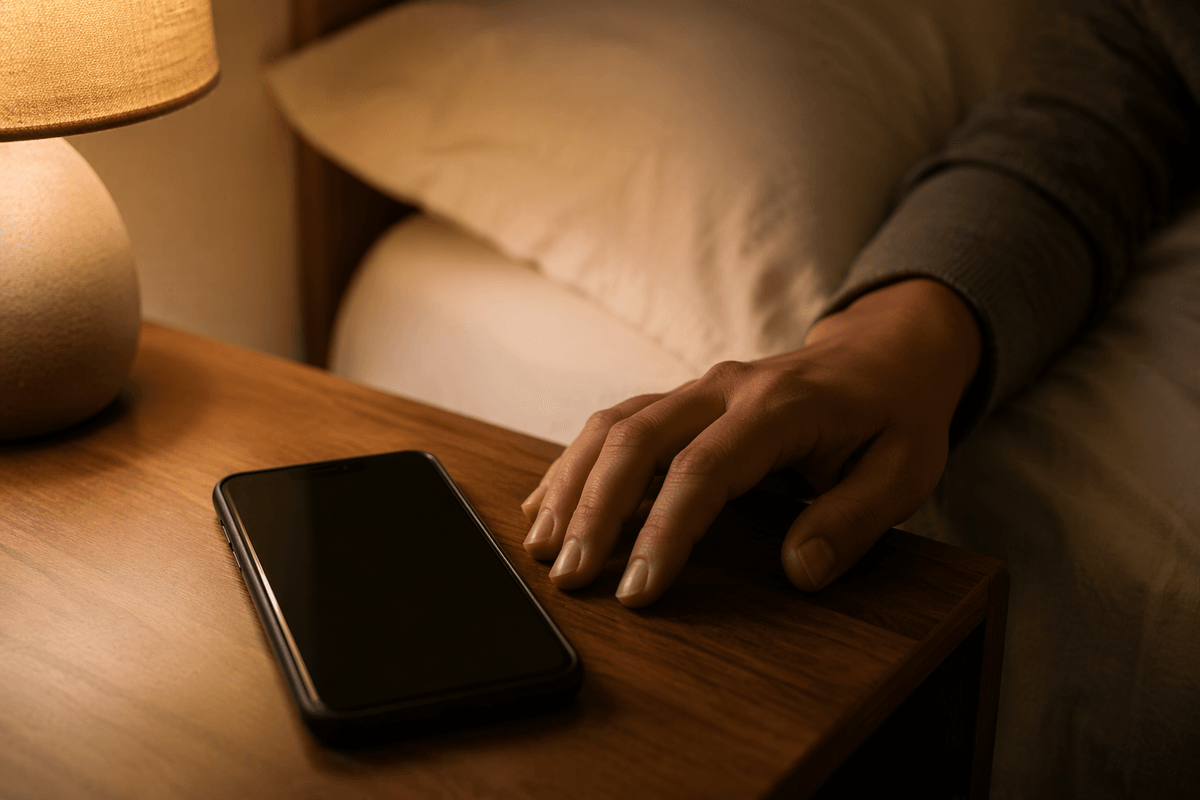
You can feel it on nights when the house finally goes quiet, but your mind doesn’t. You’re not upset exactly—you’re just replaying conversations, scanning tomorrow, checking your phone once more for no clear reason. It can look like “overthinking,” but sometimes it’s simply what happens when you’ve gone most of the day without any steadying contact.
Small connection rituals tend to work because they give your nervous system a clean signal: you’re seen, you belong, you’re not carrying everything alone. A brief, predictable exchange—one real check-in text, a two-minute voice note, a quick “how are you, really?” at the sink—can lower the background hum that feeds rumination. It’s less about deep processing and more about settling the social part of the brain that keeps listening for threat or disapproval.
People miss messages, timing is off, and sometimes a chat leaves you more keyed up. Over time, though, the steadier rituals usually feel quieter than the scrolling they replace.
Attention hygiene in a high-stimulation environment
Sometimes it’s not your mood that changes first—it’s your grip. You catch yourself unlocking your phone again, even though you just checked it, and the small pause afterward feels oddly empty. The room is the same, the tasks are the same, but your attention feels thinner, like it’s been tugged in five directions without you agreeing to it.
High-stimulation days can train the nervous system into a quick-scan mode: alerts, tabs, headlines, and “just one more” clips keep offering tiny jolts of novelty. That constant switching can make the brain treat quiet as a problem to solve, so impatience and restlessness show up when nothing is actually urgent. It’s also why you can feel both busy and unaccomplished—your mind stayed active, but it didn’t get to settle.
Attention hygiene is less about cutting screens and more about reducing surprise. When notifications stay unpredictable, your body may stay slightly braced, and emotional recovery takes longer than it should.
When self-care habits turn into new pressure
It can start with a small pang of guilt: you miss a walk, answer one more email at 10 p.m., or realize you didn’t drink enough water—and suddenly the day feels “blown.” The habit that was meant to steady you turns into a scorecard, and your body reacts to the self-critique almost like it would to a real threat: a little more tension, a little less ease.
This is where self-care can quietly become another stimulation loop. If every choice is loaded—optimize sleep, eat perfectly, limit screens, be present—you stay in monitoring mode. That constant self-checking can keep the nervous system slightly activated, which makes mood feel touchier even while you’re “doing the right things.” And because life is inconsistent—kids get sick, deadlines spike, evenings run late—the mismatch between the plan and reality can create more friction than the habit ever relieved.
Often the shift is noticing what actually supports recovery versus what performs it. A routine that helps usually leaves you feeling more available afterward, not more behind.