Why avocados feel satisfying beyond simple fullness
You notice it halfway through the morning: the usual urge to “just grab something” doesn’t hit as hard. Breakfast wasn’t bigger, exactly—but it feels like it’s still with you. That’s often the avocado effect people describe, and it can be confusing because it doesn’t always feel like classic stomach-stretch fullness.
Avocados tend to make a meal feel more “finished” because fat slows how quickly food leaves the stomach, and fiber adds bulk that lingers. Together, they can smooth out that empty, restless feeling that sometimes shows up after a lighter meal. It may also change how salty, crunchy, or sweet a meal seems to “need” afterward, which is why some people notice fewer random snacks without consciously trying.
If avocado is an add-on (not a swap), the day can quietly get more calorie-dense—even when your appetite feels calmer.
Energy density: when a healthy habit shifts balance
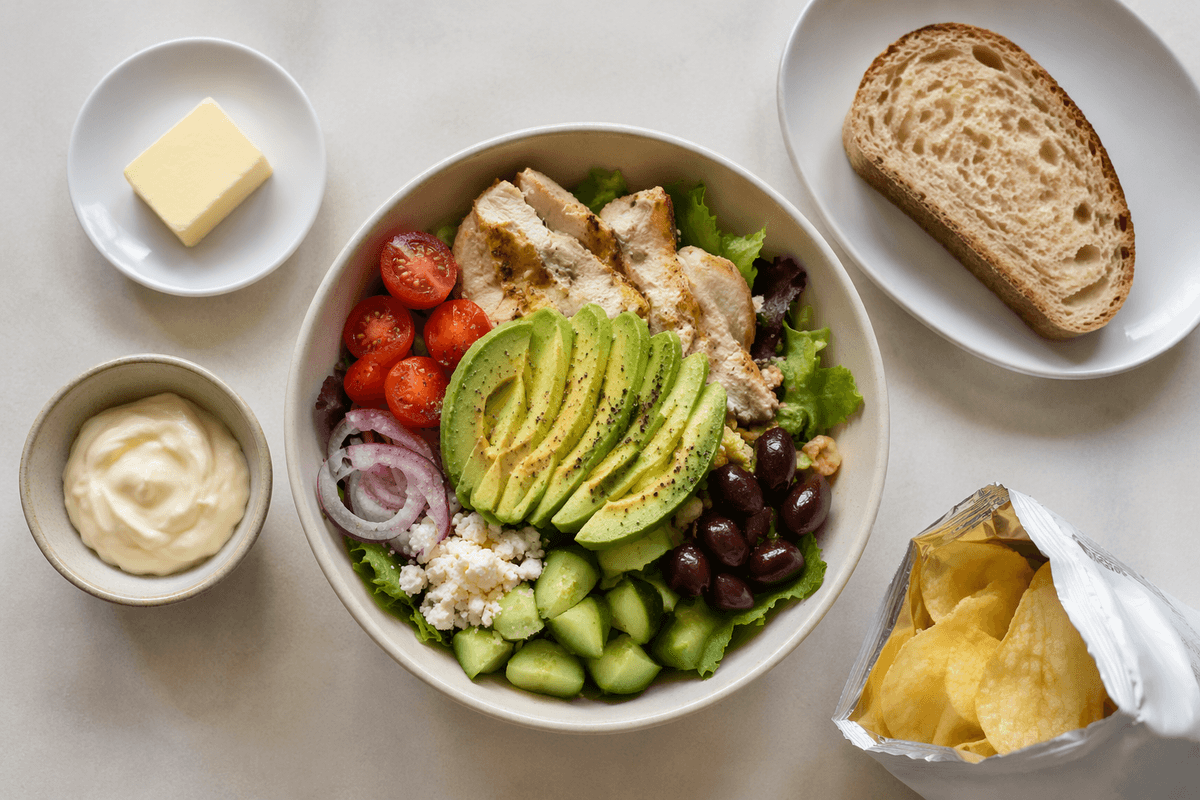
It’s easy to miss because nothing feels “heavy,” but the day can start adding up differently when avocado becomes automatic. You might still eat the same toast, the same eggs, the same lunch salad—just with a thicker swipe or half an extra fruit because it looks like a reasonable choice.
Avocados are energy-dense: a small-looking portion can carry a meaningful amount of calories, mostly from unsaturated fat. That isn’t a problem in itself; it’s often why the meal holds you longer. The shift happens when avocado sits on top of what you already ate instead of replacing something more calorie-dense or less satisfying—like butter, mayo, a second slice of bread, or a bag of chips on the side.
Over a few weeks, the pattern can split: some people get steadier hunger and fewer “fix-it” snacks, while others feel equally satisfied but slowly nudge weight upward. The tricky part is that both can feel the same day to day.
Gut responses that vary by person and portion
The first clue is usually mundane: a slightly later bathroom trip, or a sudden “why am I gassy?” moment that doesn’t match what you ate yesterday. Avocado can be the quiet variable, and the reaction isn’t consistent across people—or even across weeks.
Part of it is fiber. When you add more fiber than your usual baseline, stool can get softer and more regular for some, while others notice bloating or more frequent urges until the gut adapts. Avocado also brings fermentable carbs that can be completely fine in smaller amounts but feel noticeably different once the portion creeps from a few slices to half (or more) at a time. If you’re already eating a lot of beans, cruciferous vegetables, or sugar alcohols, that extra load can stack in a way that feels like your digestion is “off,” even when nothing is actually wrong.
The same “healthy add-on” can either smooth things out or create friction—depending on dose, pairing, and how steady your routine is that week.
Blood sugar steadiness and the “less snacky” effect
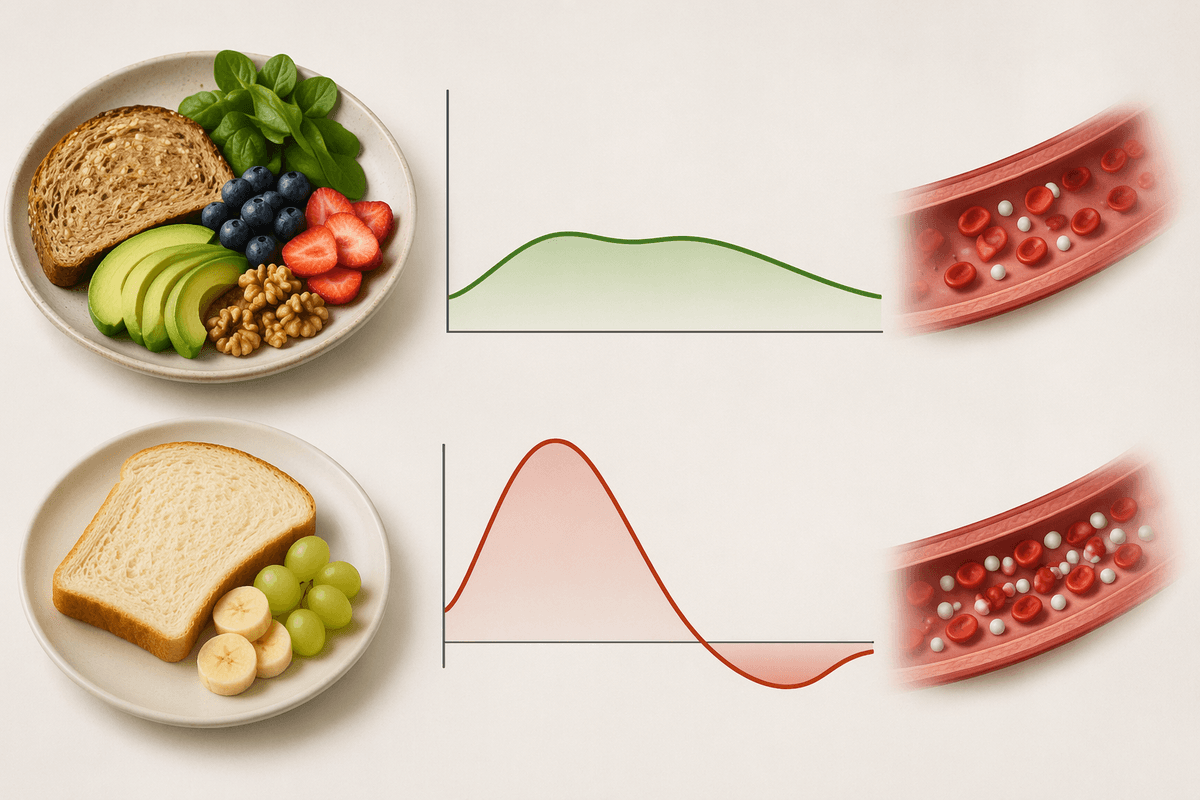
It sometimes shows up as a weirdly calm afternoon: you get to 3 p.m. and realize you haven’t been mentally bargaining with the pantry. You’re not dramatically “full,” but the edge is off—less jittery hunger, fewer cravings that feel urgent, and less need for something sweet just to reset your brain.
That can happen when a meal has enough fat and fiber to slow how quickly carbs are digested and absorbed. Avocado doesn’t cancel out the bread or fruit on your plate, but it may soften the rise-and-fall feeling that makes some people feel snacky soon after eating. It’s not a guaranteed effect: sleep, stress, and what the avocado replaced matter, and a bigger portion can steady appetite while still quietly pushing total calories higher.
Cholesterol and fats: subtle shifts, not instant flips
You might check a label later and feel momentarily smug: “good fats.” Then a week goes by, you eat avocado most days, and nothing feels different—no lighter body, no obvious change in energy, no dramatic “heart health” sensation. That’s the point most people miss: fat quality tends to show up on paper slowly, not as an immediate feeling in your chest or a sudden shift in cravings.
Avocados are mostly unsaturated fat, and in some routines that matters because it can replace saturated-fat-heavy add-ons like cheese, bacon, butter, or creamy dressings. Over time, that swap may support more favorable cholesterol patterns for some people. But if avocado just gets layered on top of the usual sandwich or salad, the fat quality improves while the total fat (and calories) can climb—so the numbers don’t always move the way you expect, even when the habit feels “clean.”
It can help to notice what quietly disappeared from the plate, not just what got added.
Micronutrients you don’t feel, but your body uses
Sometimes the only “signal” is that your food looks a little more colorful and you assume that means you’ll feel a boost. But micronutrients rarely announce themselves. You don’t feel potassium the way you feel caffeine, and you don’t feel folate the way you feel a big carb meal—so it’s easy to conclude avocado isn’t doing much beyond taste and texture.
What it’s quietly doing is filling small gaps that matter over weeks: potassium that supports fluid balance (which can affect how “puffy” you feel day to day), magnesium that’s involved in muscle and nerve function, and a mix of folate and vitamin K that your body uses for routine maintenance. There’s also vitamin E, and the fat in avocado can help you absorb fat-soluble nutrients from the rest of the meal. The limitation is that if avocado crowds out other foods—or just adds calories—those benefits can coexist with a scale that doesn’t budge the way you expected.
Practical friction points: ripeness, pairing, and routine fatigue
It usually starts with a small annoyance: the avocado is either rock-hard when you’re hungry or brown by the time you remember it’s there. So the “simple daily add-on” turns into guesswork—bigger scoops on the good days, skipping it on the frustrating ones. That inconsistency can make the cause-and-effect hard to read, because your portions and timing aren’t actually steady enough to compare week to week.
Pairing adds another quiet twist. Avocado can feel like it “helped” because the meal stayed satisfying longer, but sometimes it’s doing that while sitting next to other dense extras—oil-heavy dressing, cheese, nuts, a second piece of toast. In other routines, it replaces those same add-ons and the day feels smoother. The experience can look identical at the meal level while the calorie math is totally different.
Then there’s routine fatigue: after a couple of weeks, you may start chasing novelty—more salt, more crunch, more spreads. That’s often when avocado stops being a stabilizer and becomes a platform for additions, and the signal gets noisy again.