The expectation that protein stays the same
You can go for years ordering the same breakfast, making the same sandwich, cooking the same dinner—and it mostly works. Then one day the “normal” routine starts feeling a little thinner: you finish a workout and the soreness hangs around longer, or you notice you’re using the handrail more without meaning to. It’s easy to blame sleep or “just getting older,” while assuming your protein habits have stayed steady.
But what often stays steady is the idea of what you eat, not the portions. A chicken breast becomes half a breast because you’re full sooner. The yogurt turns into a few spoonfuls. You still had “protein,” yet the actual amount may be quietly sliding down, meal by meal, without any dramatic change on the plate.
That mismatch matters more after 50 because the body may not respond as strongly to small protein doses as it used to. So a meal that once felt “good enough” can start acting more like a placeholder—especially on busy days, after illness, or when you’re less active—until the pattern shows up as slower recovery and a gradual drop in strength.
Why older muscles respond less to small doses
Sometimes it shows up in a small surprise: you eat what looks like a perfectly reasonable meal, then the next day your legs still feel heavy from a workout that used to bounce right off. It can feel like your body “forgot” how to rebuild, even though you didn’t change anything on purpose.
One reason is that aging muscle often needs a stronger signal before it flips fully into repair mode. Protein is part of that signal, but smaller amounts can land like background noise instead of a clear message. This is sometimes called anabolic resistance: the muscle-building response to food is still there, it just may not turn on as easily at low doses.
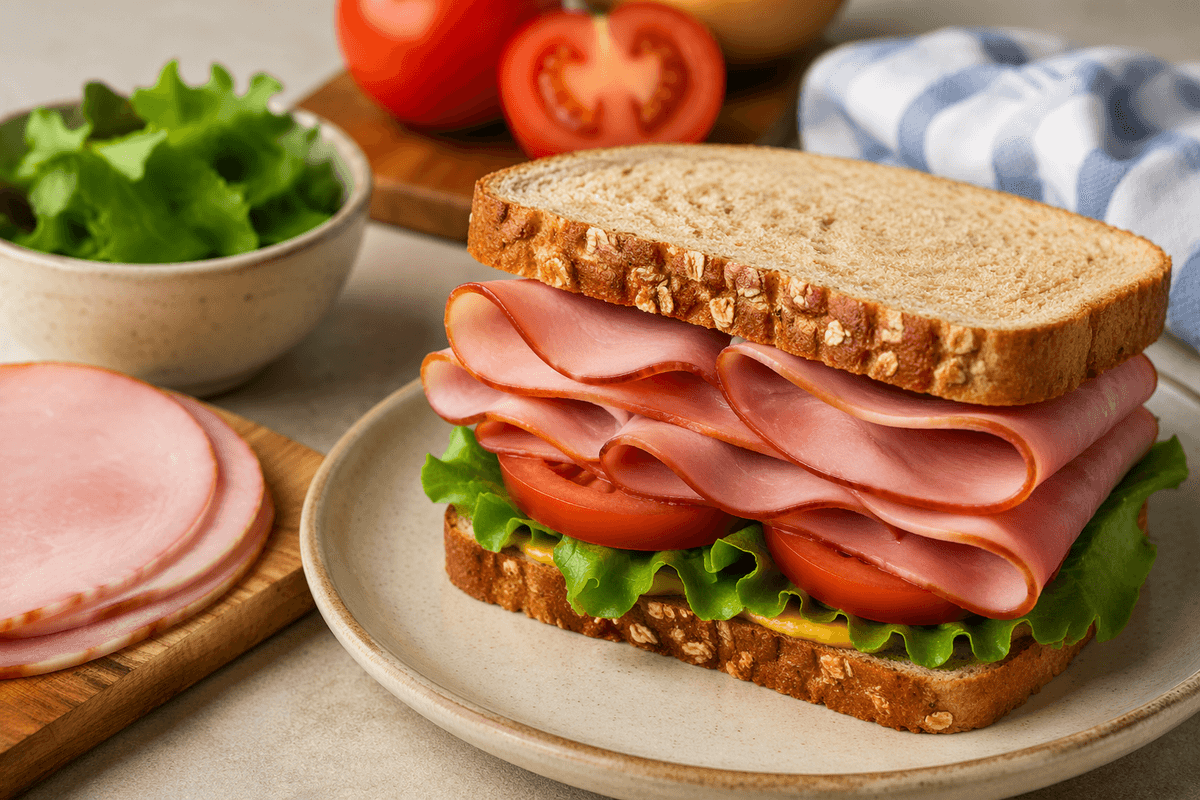
In practical terms, a light breakfast with a few bites of yogurt, or a half sandwich at lunch, may add up to enough calories to get through the day while still under-delivering on the specific amino acids that nudge muscle protein synthesis upward. When that happens repeatedly, the pattern can look like slower recovery, less “snap” in daily movements, and strength that fades a little faster than expected.
Strength, illness, and inactivity raise the stakes
It’s often after a week off—travel, a cold, a flare of back pain—that you notice how quickly strength can feel “borrowed.” The first walk back has a heavier step, the first set with weights feels strangely high-effort, and the soreness hangs around long enough that you start skipping the next session.
When activity drops, muscle gets fewer reasons to stay expensive. The body becomes more conservative, and the usual daily wear-and-tear isn’t matched by the same rebuilding pace. If meals also shrink during illness or stress, protein can dip right when muscle is already more ready to downshift. It’s not always obvious because appetite changes can be inconsistent—one day you’re hungry, the next you’re full after a few bites.
Over time, that combination can make small gaps feel bigger: a minor bug, a short stretch of sitting more, then a slower return to “normal.” The pattern may show up as weaker grip, slower stairs, or recovery that stops matching your effort.
Appetite shifts change what actually gets eaten
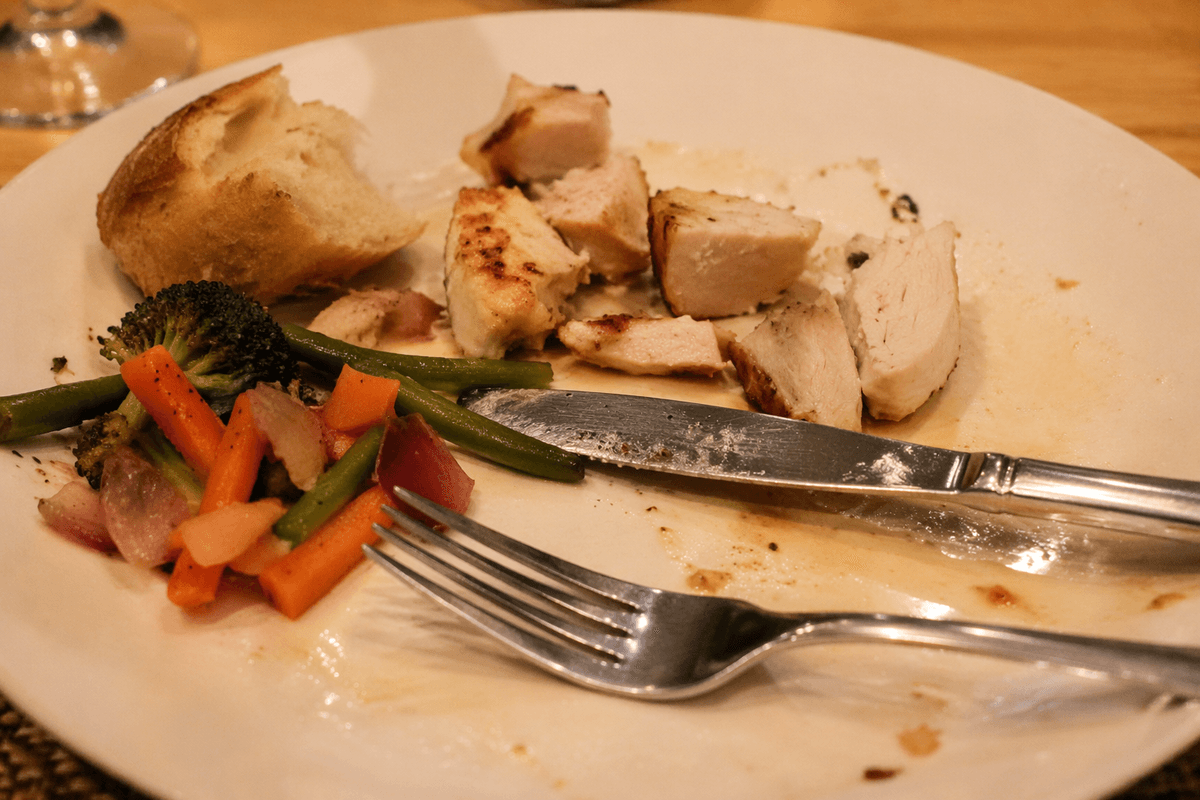
It can be as simple as looking at your plate and realizing you’re done earlier than you expected. Not “too full,” exactly—just uninterested. The meal doesn’t feel smaller while you’re eating it, but afterward you notice the leftovers you didn’t used to have, or the snack you quietly skipped because dinner sat heavy.
Appetite often gets more variable with age, and that variability changes what protein looks like in real life. Protein foods can feel more filling per bite, take more chewing, and lose their appeal faster than softer, quicker options. So the part of the meal that disappears first isn’t always the vegetables or the bread—it’s the chicken you didn’t finish, the eggs you couldn’t face, the yogurt you left half-full.
That’s how someone can feel like they’re “still eating protein” while the pattern keeps drifting lower. On better-appetite days it evens out, but on low-appetite days it can fall under the amount that gives muscle a clear repair signal—and the body doesn’t always announce that with hunger. It shows up later as slower bounce-back.
Protein distribution can matter more than totals
You might have a day where dinner is solid—fish or chicken, maybe even seconds—yet the rest of the day was basically toast, coffee, and a snack. On paper it feels like you “made up for it,” because the total protein for the day doesn’t look terrible. But your body doesn’t necessarily treat it like one big bank account.
Muscle tends to respond in pulses. A meal that’s mostly carbs with just a little protein may not create much of a “repair signal,” especially with age, when the same small dose can register as too quiet. Then you end up with long stretches where muscle isn’t getting that nudge, followed by one heavy hit at night that can’t fully compensate for the earlier gaps.
That’s why people can hit a decent daily total and still feel slower to recover—especially if breakfast and lunch keep landing light without seeming like a big change.
When “just eat more protein” feels uncomfortable
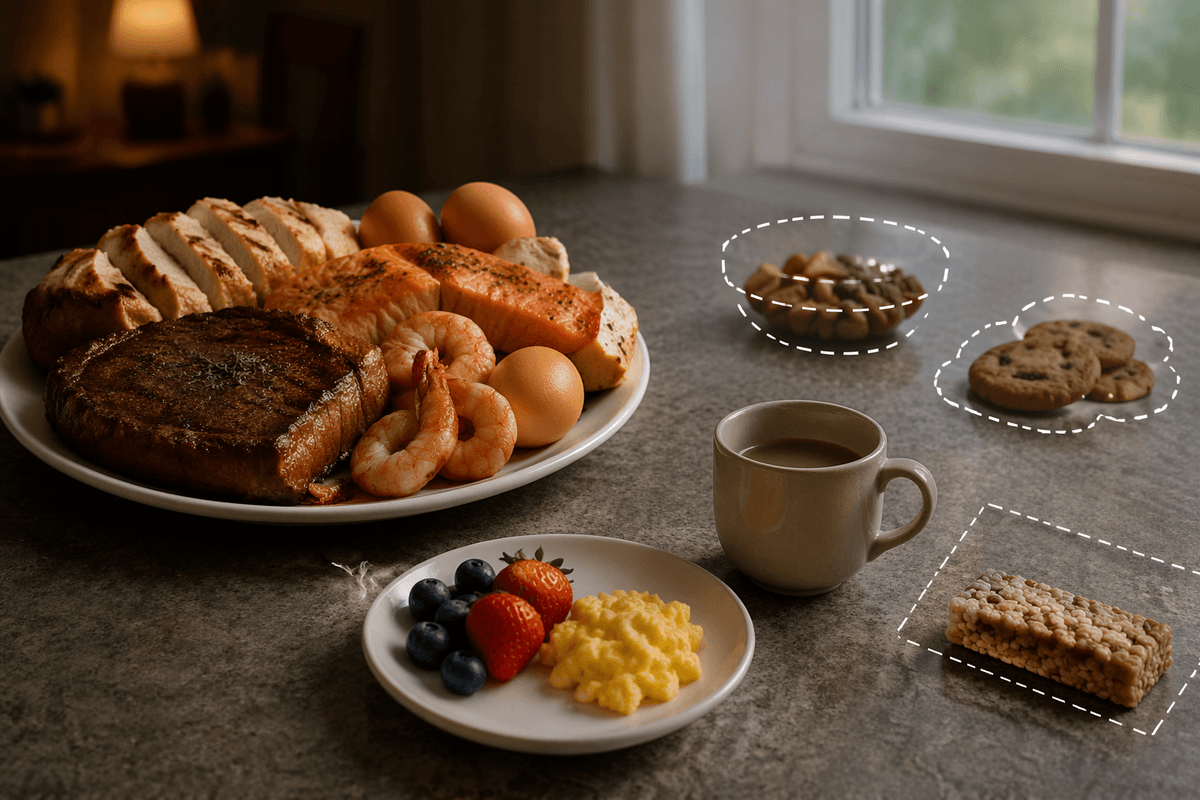
It’s usually not a dramatic refusal. It’s the moment you try to add “a little more” at breakfast and the food just sits there—too heavy, too chewy, or suddenly unappealing. People hear “eat more protein” and picture a bigger steak, but what they often run into is a smaller stomach window. By the time you’ve finished the protein part, you may feel done with the whole meal.
That discomfort can create a quiet trade-off: you either push through and feel overly full, or you back off and end up with meals that are easier to eat but lighter on protein. Protein is slow to leave the stomach and tends to dampen appetite hormones, which is helpful for some goals, but for adults who already finish meals early it can crowd out the rest of the plate—and make the next meal less appealing too.
Then “more protein” turns into a pattern of half-solutions: a bigger dinner followed by a lighter morning, or protein added in ways that feel tolerable one day and off-putting the next. If you notice that adding protein reliably makes you skip snacks, delay lunch, or feel vaguely nauseated, it’s not a willpower issue—it may be a sign that comfort and timing are becoming part of the protein equation.
Finding a realistic target amid competing concerns
It can feel oddly hard to “pick a number” when the day doesn’t cooperate. One morning you wake up hungry and a bigger breakfast sounds fine; the next, the same amount feels like it’s sitting in your chest. So advice that sounds simple—more protein—starts competing with comfort, schedule, and the fact that some meals are just smaller now.
What often helps is noticing your repeatable pattern instead of chasing a perfect target. If breakfast keeps ending up as coffee and something light, lunch gets interrupted, and dinner becomes the only real protein meal, the issue may be distribution more than intention. Those long low-protein stretches can line up with the exact signals people describe: workouts that take longer to recover from, “tired legs” on stairs, or strength that slips even when you’re still trying.
In that context, “realistic” may mean aiming for one meal you can reliably land well—then gradually making a second meal less of a placeholder, without forcing portions that backfire. If the change leaves you consistently too full, or you start skipping meals because protein feels heavy, that’s useful feedback too: the goal isn’t a heroic day, it’s a pattern your body can actually repeat.