Why protein numbers shift across turkey cuts
You pick up two packages that both say “turkey,” and the nutrition panels look like they’re talking about different foods. One shows a clean, high-protein number per 4 ounces, while the other feels oddly “low” for the same serving size. It’s not that the label is lying—it’s that “turkey” isn’t a single, stable reference point.
Protein density shifts because each cut carries a different mix of muscle, fat, connective tissue, and sometimes skin. Breast is mostly lean muscle, so more of its weight is protein. Thigh and drumstick tend to come with more fat and collagen, which can make the protein-per-calorie look worse even if the portion feels equally filling.
Then the quiet variables show up: bone-in portions change what “4 ounces” actually yields, and “enhanced” turkey (added solution) can raise water weight, diluting protein per ounce. If you compare options using the same cooked/uncooked basis and the package’s stated serving weight, the numbers usually start making more sense.
Breast meat versus dark meat protein density
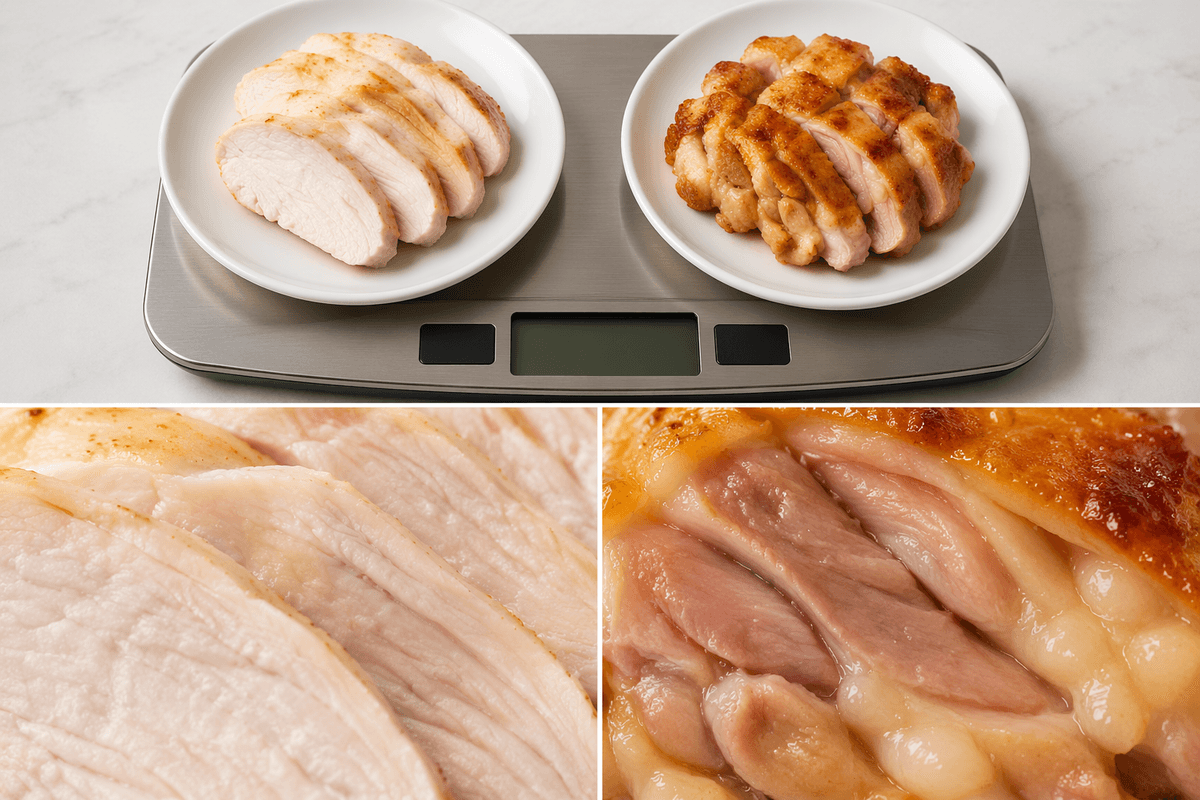
You notice it when you switch from a breast-heavy week to thighs: your usual portion looks the same on the plate, but the protein total on your tracker lands a little short. Nothing “changed” about your appetite—what changed is how much of that weight is lean muscle versus everything bundled with it.
Breast meat tends to be more protein-dense because it’s built mostly from lean muscle with less intramuscular fat. Dark meat (thigh, drumstick) carries more fat and connective tissue, so a similar cooked portion can deliver fewer grams of protein per calorie. That doesn’t make dark meat “bad,” but it does mean the same protein target may require either a slightly larger serving or acceptance that you’re trading some protein density for flavor and tenderness.
The comparison also gets messy when labels mix raw and cooked assumptions. Dark meat often stays juicier after cooking, while breast can dry out—so ounce-for-ounce after cooking, the numbers can feel inconsistent unless you’re comparing the same stated basis on the package. If the product is “enhanced,” added water can further blur per-ounce expectations, especially on breast cutlets that look impressively large in the package.
Skin and bone change what a serving means
The first surprise is how little meat you get off a “4-ounce” piece when the scale includes skin and bone. A bone-in thigh can look generous and still leave you with fewer edible ounces than a boneless cut, so the protein you log ends up lower than you expected—even though the portion felt the same in your hand.
Skin adds another layer of confusion because it contributes weight and calories without contributing much protein. If the label’s serving is listed “with skin,” that extra fat can push the calories up while the grams of protein barely move. On the plate, it reads like you chose a lower-protein turkey, when it’s really the same muscle wrapped in a heavier, higher-calorie package.
This is why comparisons work best when you keep the basis consistent: boneless/skinless to boneless/skinless, or bone-in to bone-in. Otherwise, you’re not comparing turkey cuts—you’re comparing how much of the serving isn’t actually meat.
Cooking method alters moisture and protein concentration
Halfway through cooking, the pan looks like it’s “leaking” turkey. The pieces shrink, a puddle forms, and suddenly your neat portion doesn’t look like the same number of ounces you started with. This is where people often assume protein is being cooked off—but what’s mostly leaving is water (and some fat), which changes how concentrated the remaining protein is per ounce.
Dryer methods like roasting, air-frying, or grilling tend to drive off more moisture, so cooked turkey can end up more protein-dense by weight even though it weighs less. Gentler methods like simmering or slow-cooking often keep more water in the meat, so the same “4 ounces cooked” may hold slightly less protein than a drier-cooked 4 ounces. That’s not a label trick; it’s a shifting ratio of muscle to water on your plate.
Your scale can’t tell you what portion of that weight is water. If your tracking switches between “raw weight” some days and “cooked weight” others, the numbers can drift even when your portions feel consistent.
Ground turkey blends create hidden variability
You flip a tube of ground turkey over and feel momentarily reassured by the bold “93% lean” on the front—until the next package you grab is “85% lean,” and the serving looks identical in the skillet. Ground turkey is where protein expectations drift quietly, because the product is often a blend of different parts, not a single cut you can picture.
Even when two labels list the same serving size, the grind can include varying amounts of dark meat, skin, and added fat to hit a target lean-to-fat ratio. That fat raises calories faster than it raises protein, so protein-per-calorie drops as you move from 99% to 93% to 85% lean. Cooking also exposes the difference: higher-fat blends render more, shrinking the finished portion and making “4 ounces cooked” a moving target from one blend to the next.
If you rotate between brands or fat levels week to week, your usual scoop or patty size can land at different protein totals without looking wrong—just different underneath.
Processed turkey slices can mislead protein expectations
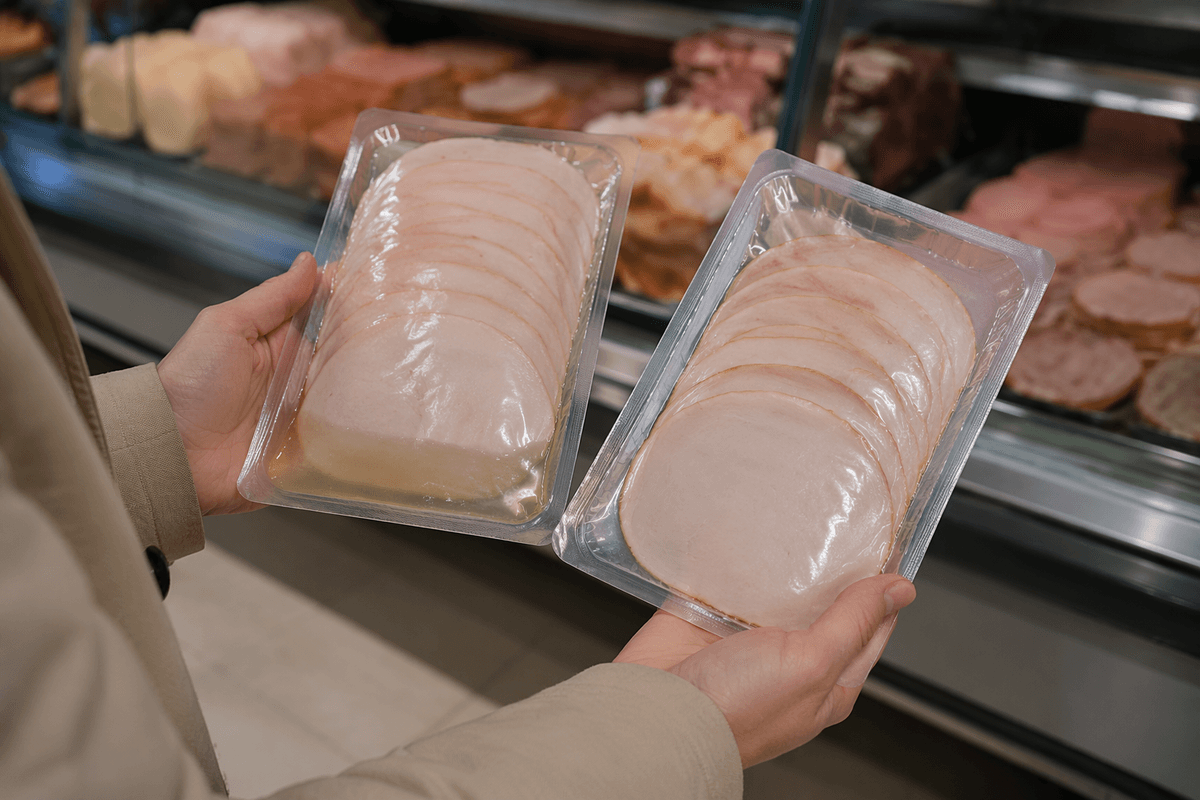
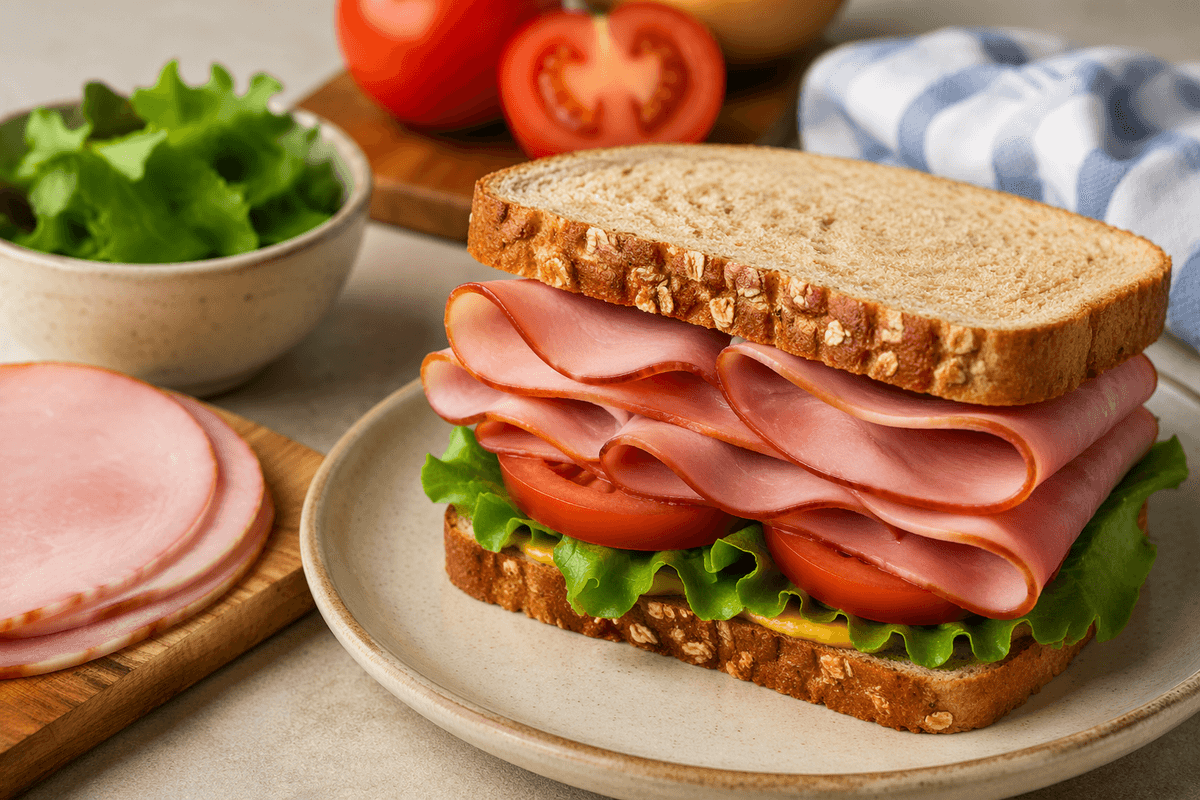
The first time you build a “high-protein” sandwich with deli turkey, it can feel like a loophole: the stack looks tall, the package says turkey breast, and the calories stay low. Then you check the serving and realize the protein per ounce isn’t behaving like the cooked breast you buy at the meat case.
Processed slices often carry extra water and salt (sometimes listed as “broth,” “solution,” or “added” ingredients), which increases weight without adding protein. That’s why two brands can both list a 2-ounce serving, yet one delivers noticeably fewer grams of protein—its ounces include more moisture and binders, not more muscle. Texture gives a clue: very uniform, springy slices tend to be more “formulated,” which can dilute protein density compared with a simple roasted breast.
If your daily target is tight, deli turkey can be the item that looks consistent in your hand but shifts on paper, especially when you swap between “uncured,” “smoked,” and “oven roasted” varieties.
Choosing by protein alone misses comfort and consistency
It usually shows up at the end of the week: your protein goal is technically met, but meals felt oddly unsatisfying—or you’re tired of chewing through dry breast just to “earn” a higher number. That’s the hidden cost of shopping by grams alone. Protein density matters, but so does how reliably you’ll eat the portion you planned, especially when turkey swings between juicy thighs, lean cutlets, and deli slices that behave differently on the label.
In practice, comfort and consistency drive adherence. Breast can deliver a cleaner protein-per-calorie profile, yet it’s also the cut most likely to get overcooked and shrink into something you stop enjoying. Dark meat may land a little lower per calorie, but its higher tolerance for heat can make your “standard” serving more repeatable. Ground blends and sliced turkey add another layer: the food can look consistent in your hand while the protein-per-ounce changes underneath. Over time, the steadier choice is often the one you can portion, cook, and repeat without friction.