The real choice: two countries or one?
I paused over the route map with a coffee going cold, cursor hovering between “Tallinn–Tirana” and “just book Spain again.” The connection that looked neat on paper had a 55-minute layover in a busy hub, which is fine until one delayed departure turns your beach day into an airport floor. In that moment, the real choice wasn’t Estonia plus Albania versus one “safe” option—it was whether you want your 7–10 days to be mostly moving or mostly arriving.
Two countries sounds efficient because it feels like you’re “getting more,” but for a mid-budget couple with minimal planning, it can quietly become a logistics tax: extra flight segments, another check-in/out cycle, and more timing pressure around ferries, late dinners, or last-minute accommodation gaps. A single base (say, one coastal stretch plus one historic city) trades variety for momentum—you spend fewer hours negotiating transport and more hours actually using the daylight. If you’re already tired from work, that trade usually wins.
Where Albania changes the equation is value: your money tends to stretch further on food, rides, and stays compared with many familiar EU summer standbys, but the “ease” can be less predictable—crowd flow in peak season, patchier English outside tourist zones, and occasional rough edges in service rhythm. If you want the cleanest version of Albania, commit to it (one country, smarter pacing). If you’re still unsure, pick one Albania anchor and build generous buffers so the trip doesn’t hinge on perfect connections.
What the partnership changes for travelers

At 23:40, halfway through a “quick” booking session, I hit the part that never makes the cooperation headlines: baggage rules on separate tickets. The fare that looked like a deal became a puzzle of hand-luggage limits, self-transfers, and a risky re-check in a hub where summer queues can swallow an hour. That’s the moment to remember what a tourism partnership can’t do on your behalf—at least not quickly.
Realistically, cooperation tends to show up first as softer improvements: coordinated marketing (more Albanian coastline in Tallinn ads), shared tourism events, and operator-to-operator relationships that make packaged itineraries slightly less clunky. It can also nudge service standards over time—training, signage, and clearer visitor information—without magically creating a direct Tallinn–Tirana route. If you’re hoping for “EU-style frictionless,” the limitation is structural: Albania isn’t in Schengen, so you should still expect normal passport control and occasional border-time variability.
Where it may help you sooner is confidence and predictability, not speed: more consistent English in front-line tourism, smoother hotel communication, and better-aligned expectations around payments and transport. Albania can be excellent value, but the trade-off is that small inconveniences (cash-only moments, uneven taxi apps, beach-town crowd flow) cost more energy than in a familiar EU beach week. If you’re traveling this summer with minimal planning, I’d book based on what exists now—then buy back ease with buffers (longer layovers, one base, pre-booked transfers) rather than waiting for a policy headline to become a timetable.
Start with your trip constraints
On Tuesday at 19:10, I tried to force a “perfect” itinerary into a 7–10 day window and watched it crumble at the layover screen. One option landed in Tirana close to midnight; another got me to the coast earlier but required a self-transfer with checked baggage. That’s when the constraint stopped being “where do we want to go?” and became “how many fragile links can we tolerate without babysitting the trip?”
Start with the non-negotiables you actually feel in your body: arrival time, sleep, and heat. If you land late and still need a 3–4 hour push to a beach town, Albania’s value doesn’t help much—you’ve traded euros saved for a day lost and a rough first night. For minimal planning, pick flights that arrive early or midday even if they cost more, and treat “short layover” as a luxury you can’t afford in July crowd flow. Tourism cooperation might improve info and service consistency over time, but it won’t rescue a tight connection.
If “ready/safe” really means “predictable,” keep the moving parts low: one base that gives you beaches plus a culture day-trip, with pre-booked airport transfer and a hotel that answers messages quickly. If you’re more price-driven and don’t mind rough edges, you can chase better deals and stay more local—but accept trade-offs like cash-only moments, slower check-ins, and transport that works best when you’re not rushing. The trip gets easier the moment you decide what you’re willing to debug.
Pick the best Estonia–Albania pairing
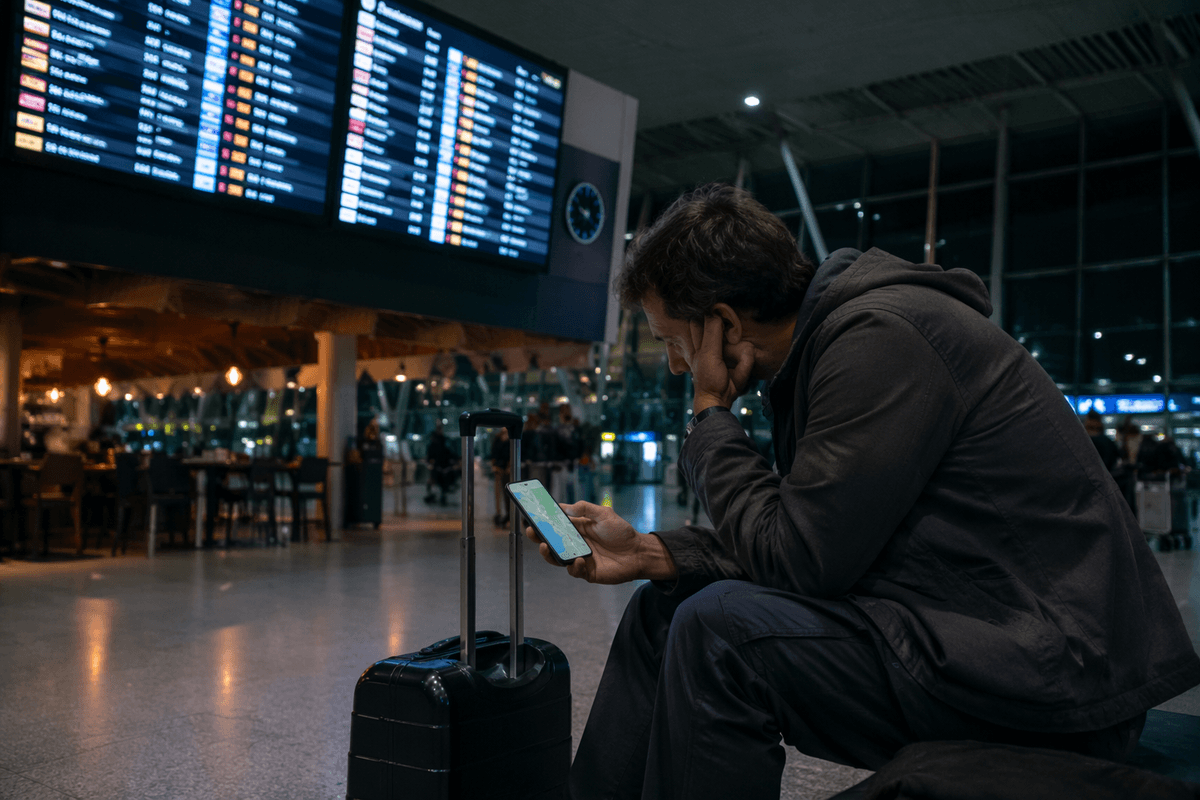
At the departures board in Tallinn, the “simple” plan started wobbling: one itinerary had a tidy connection time, but it arrived in Tirana at 00:35, and the next leg to the coast wasn’t really a leg—it was a long, sleepy car ride. That’s when the map version of Albania (coastline right there) collided with the reality version (heat, traffic, and check-in times). If you want minimal planning, your pairing needs to minimize nighttime logistics, not just kilometers.
For a 7–10 day summer break, the easiest Estonia–Albania pairing is “one coast base + one culture day,” not “multiple towns.” Himarë or Dhërmi works if you’re beach-first and can handle a trade-off: prettier water and coves, but slower roads and fewer backup options if you dislike your hotel. If you want the most predictable version of Albania, base in Sarandë instead—more inventory, easier last-minute choices, and quick access to Butrint—while accepting busier crowd flow and a more built-up feel.
Then decide where your culture comes from: Berat is the cleanest “worth it” overnight if you land midday and don’t mind a shorter beach stay; Gjirokastër is better if you’re already in the south and hate doubling back. This is also where the cooperation talk may quietly help: clearer visitor info and smoother hotel communication can reduce micro-friction, but it won’t fix a late-night arrival. If you’re booking now, pay a little more for arrival timing; it’s the difference between a beach day and a recovery day.
What I’d do with one week
On a Sunday morning with a half-packed carry-on on the bed, I’d stop pretending a week can hold “all of Albania” and choose a plan that survives one delayed flight. I’d book flights that land in Tirana by early afternoon, even if the fare is slightly worse, because arriving at 00:35 turns your first beach day into a nap-and-negotiate day. Then I’d decide up front: one base only, no heroic transfers after dark.
For seven days, I’d split it like this: 5 nights in Sarandë (predictable logistics, more hotel choice, easy evenings) and 2 nights in Gjirokastër (culture without a long detour). Sarandë isn’t the “prettiest” version of the coast compared with Dhërmi/Himarë, but it’s the better trade-off for minimal planning: you can pivot if your beach spot is crowded, you can find dinner without hunting, and day trips (Butrint, Ksamil, even a boat day) don’t require perfect timing. I’d pre-book the Tirana–south transfer or rent a car only if you’re comfortable with summer traffic and narrow roads.
I wouldn’t wait for cooperation headlines to turn into direct routes; I’d book what exists, then buy reliability: longer layovers, refundable stays for the first night, and a hotel that answers messages fast. If you’re still nervous about “readiness,” choose the more touristed spine (Sarandë–Butrint–Gjirokastër) this time—and save the quieter coves for a second trip when you’re not counting days.