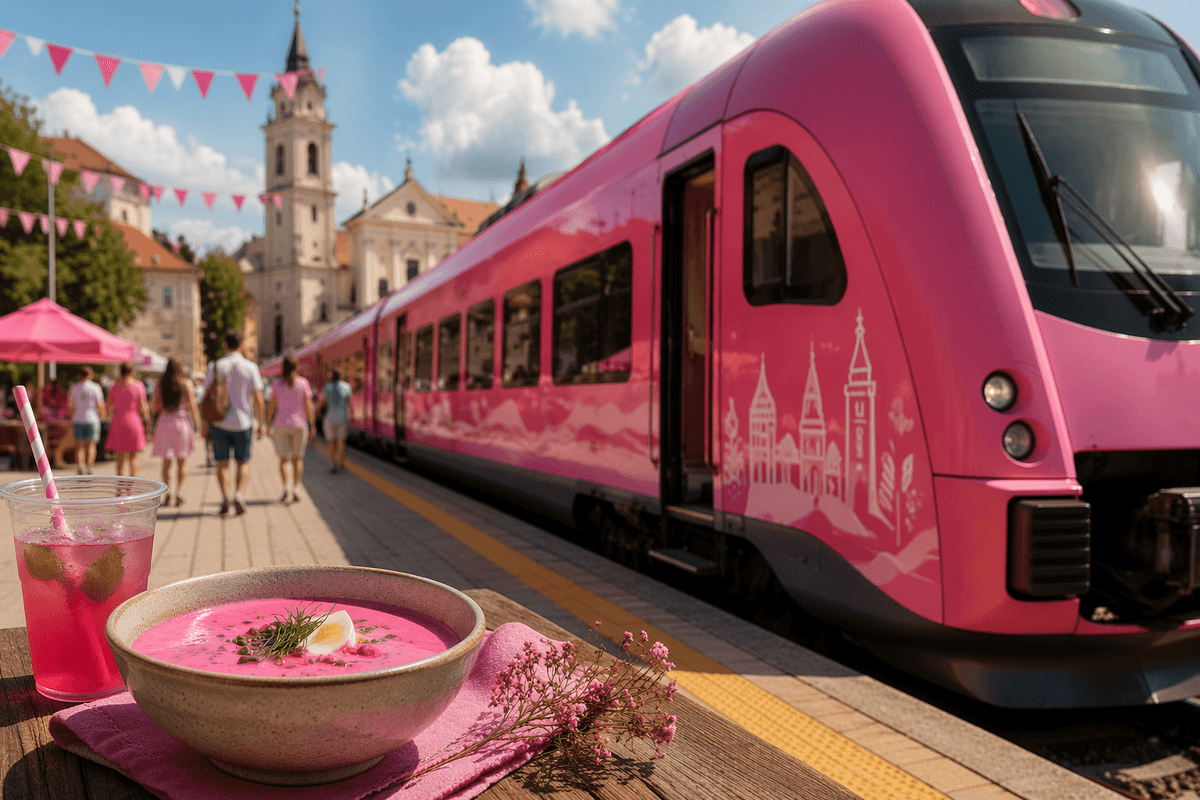
The real choice: beauty with breathing room
I hesitated at 7:18 a.m. on a rainy platform in Bologna, staring at two departures: a direct train to Florence and a slower regional heading toward a hill town I couldn’t pronounce. The screen made both look equally “easy,” but my coffee was already cooling and I knew one choice would turn into shoulder-to-shoulder streets by noon. That tiny timing detail—arriving when day-trippers do—ended up mattering more than the postcard views.
“Beauty with breathing room” usually isn’t about finding a secret place; it’s about deciding what you’re willing to trade. If you want calm mornings, walkable scenery, and good food without planning your day around reservations, you’ll often give up direct connections and late-night buzz. The places that stay quiet in real life tend to be one transfer farther, with fewer dinner options on Mondays, and a faster “we’re closed” vibe once the last bus leaves.
A well-connected base in shoulder season can feel calmer than a remote village in July, but it comes with weather risk: windier coasts, shorter evenings, and the occasional museum day you didn’t want. If you’re working with limited PTO, I’d rather see you take one slightly less “iconic” hub with reliable trains than waste half a day chasing solitude—unless you truly don’t mind early nights and longer transfers.
Time it for empty streets
I realized it at 6:42 a.m. in Lisbon, when the first tram rattled past my window and the street below was still being hosed down. I’d been tempted to sleep in, but my ticket for a late-morning train meant arriving right when tours and cruise shuttles hit their stride. The quiet wasn’t about the neighborhood being “undiscovered”; it was about beating the daily wave by two hours.
If you want empty streets without moving to the middle of nowhere, think in layers of timing: season, day of week, and the hour you show up. Late September through early November and late March through May can feel dramatically calmer than June–August, even in popular cities—at the cost of fickle weather and earlier evenings. Within a week, Tuesday to Thursday tends to run smoother than weekends, when locals are out and short-break travelers arrive. And within a day, 8–10 a.m. is the sweet spot for scenic walking; 11 a.m.–4 p.m. is when “quiet” areas suddenly look like everyone’s highlight reel.
Booking smarter helps you keep your PTO intact. I’d rather you take one early train and arrive before lunch than stack a “pretty” connection that dumps you in at 2 p.m. with nowhere to eat without a reservation. The trade-off is obvious—alarm clocks and fewer late nights—but if your idea of a good evening is a relaxed dinner and a slow stroll, you’ll feel the payoff immediately.
Northern edges: fjords, forests, small towns
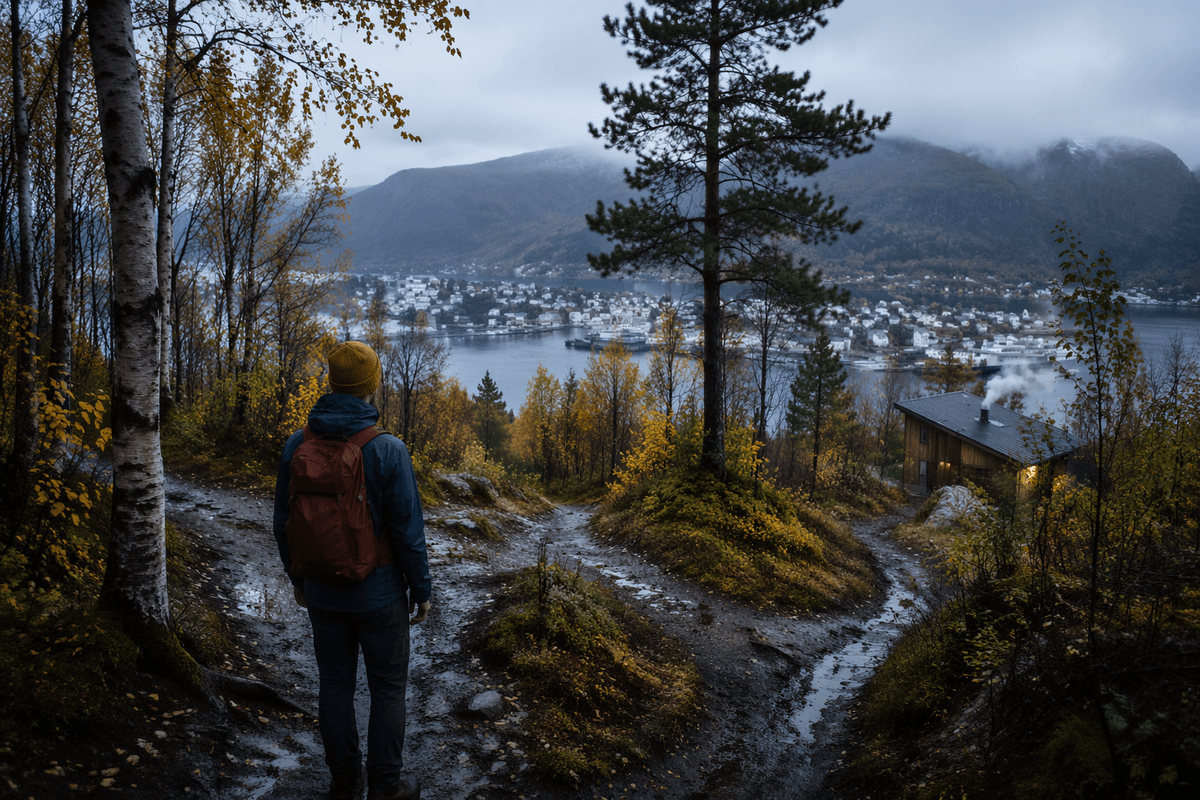
The map made Norway’s west coast look like a simple hop: Bergen to a fjord village, then “just” another bus to a trailhead. At 3:27 p.m., standing under the station clock with a damp jacket and a shrinking connection window, I learned what the map hides—ferries don’t wait for late buses, and the last departure turns “peaceful” into “stranded.” Quiet up here is real, but it’s scheduled.
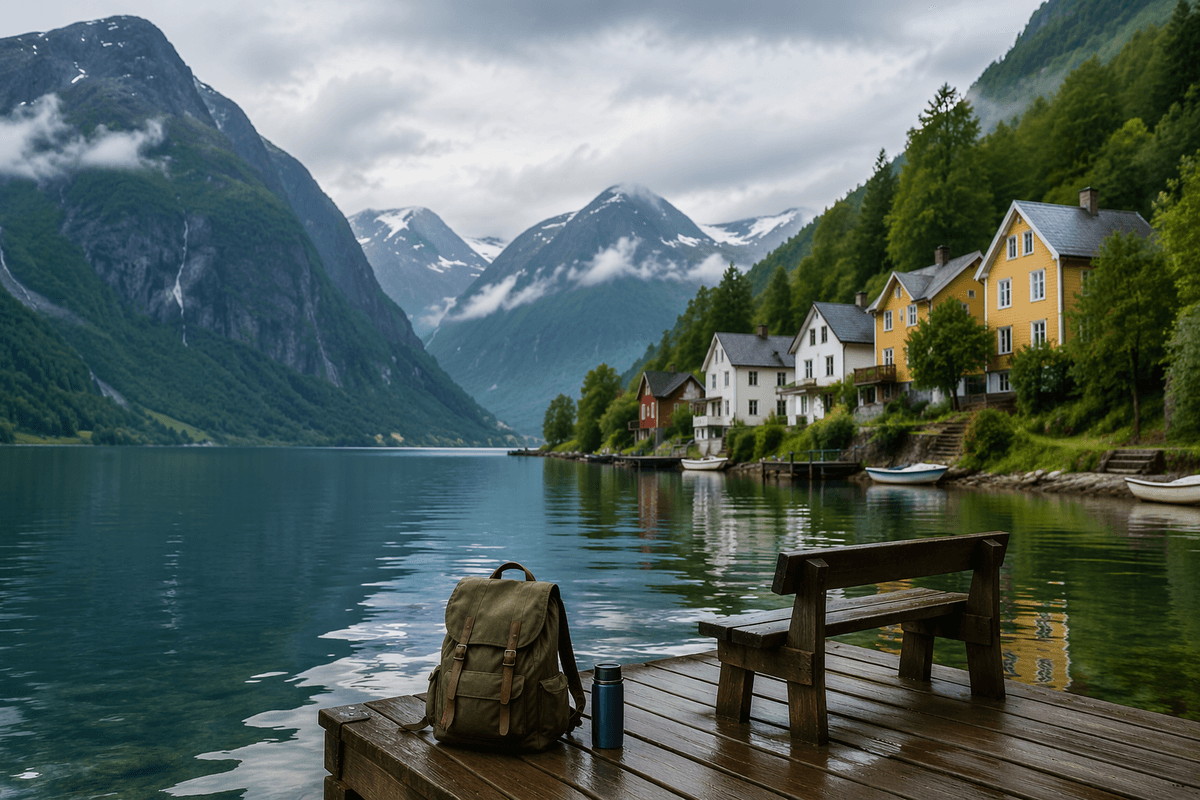
If you want fjords and forests without the parade, aim for smaller bases that still have a spine of transport: a rail town like Voss or Åndalsnes instead of a cruise-stop pier, or a Swedish lake district town on a main line rather than a cabin-only postcode. You’ll swap endless menus for a few dependable places that may close early (and sometimes close two nights in a row). It works best for slow mornings, hikers, and anyone happy with one excellent bakery over ten “pretty good” options.
Weather is the other limiter, especially in shoulder season. Late September can feel almost empty compared with July, but daylight shortens fast and rain turns scenic paths into slow slogs—fine if your plan is “walk, sauna, dinner,” less fun if you’re trying to stack viewpoints. I’d build your days around one strong outing and keep a backup loop near town, so your quiet week doesn’t become a transit week.
Quiet Mediterranean beyond the hotspots
I stalled on a booking page at 11:06 p.m., cursor hovering between a cheap flight into Barcelona and a slightly pricier one into Valencia—because the “quiet coastal town” I wanted was only quiet if I didn’t arrive after the last bus. The map said it was 90 minutes away; the timetable said “maybe,” depending on the day. That’s the Mediterranean trap: it looks compact, but the calm pockets run on limited schedules.
For a crowd-light base, I look for places that are near the famous shoreline, not on it: a smaller working town one transfer inland from the beach, or a less-hyped stretch between marquee cities. You’ll trade sunset-by-the-water for mornings where you can actually hear your footsteps and get a table without a 7:00 p.m. reservation battle. It works best for slow walkers and food people; it works poorly if you need lots of English menus, or spontaneous day trips that start at 10 a.m.
Timing matters more here than in the north because heat and weekend traffic amplify everything. Late September into mid-October can feel like a different country compared with July, but some beach services thin out and ferries/buses run less often—quiet, but less forgiving if you miss one. I’d pick a base where you can do two kinds of days: a no-transport “local loop” when you’re tired, and one longer coastal hop when you’re feeling ambitious.
Small countries that feel uncrowded
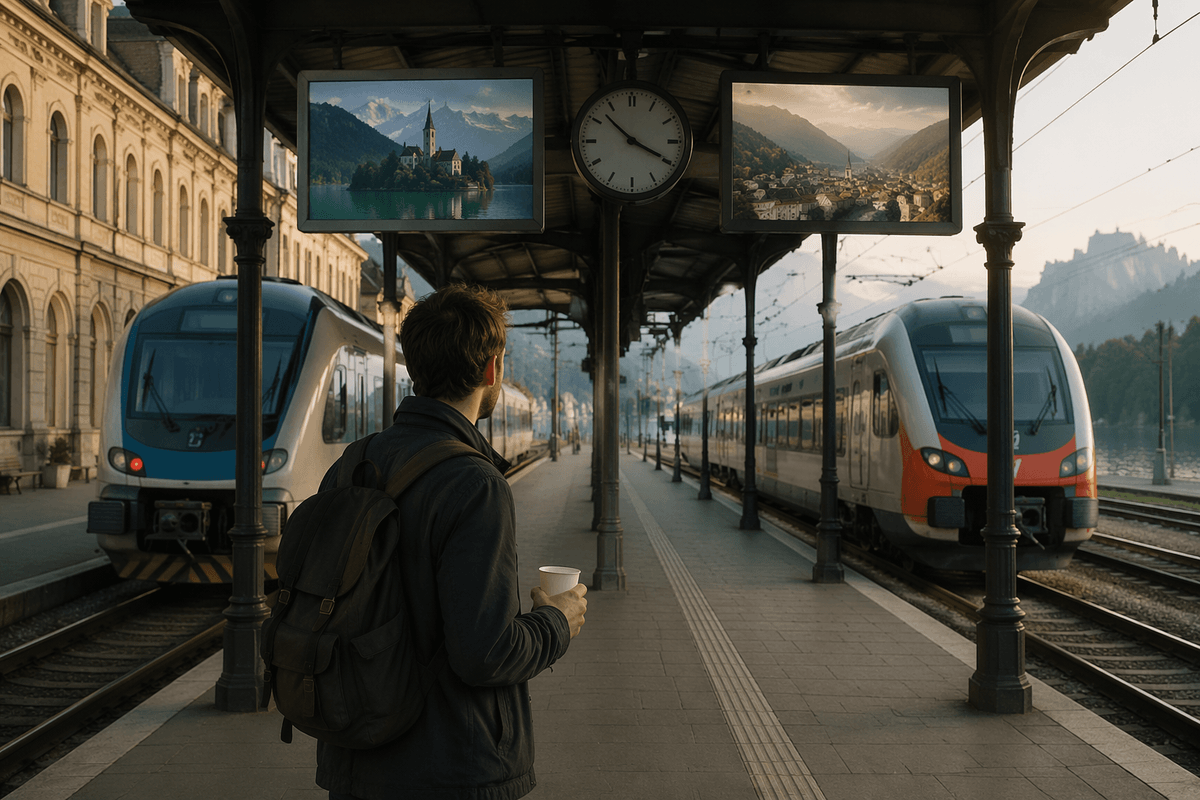
I paused at 9:12 a.m. on a narrow platform in Ljubljana with a paper cup of espresso and a backpack that suddenly felt heavier than it should. Two trains were posted: one toward Lake Bled (predictable, easy, popular), the other toward a smaller border town I’d only chosen because it had a dot on the map and a good-looking hike. Slovenia is “small” in the way a tidy apartment is small—everything is close, until you start counting transfers and the time they eat.
Small countries can be your best compromise when you want quiet without surrendering convenience, but they’re also where crowds concentrate fast. Slovenia and Luxembourg stay practical for mid-budget travelers because you can base in a real town (reliable groceries, a few late-ish dinners, decent rail) and still reach green scenery in under two hours—if you travel early and avoid weekends. Their headline spots act like funnels: Bled, Hallstatt-adjacent day trips, or any “one perfect viewpoint” can feel busy even in shoulder season, while the second-tier areas remain genuinely calm and a little under-served after dinner.
Estonia and Latvia work differently: flatter, slower, and often quieter by default, but with a weather ceiling and shorter evenings outside summer. Tallinn can be crowded midday, yet a base one neighborhood out—or a smaller city like Tartu—buys you calm mornings and walkable riverside loops, at the cost of fewer “wow” panoramas and more wind. If your hesitation is “will it be boring at night,” these countries reward travelers who like one long meal and an unplanned stroll; if you need buzzing bars or constant day trips, you’ll feel the edges sooner than you expect.
What I’d choose for your quiet week
I remember watching a 7:52 a.m. train slide out of Ljubljana while I stood there doing the math: one more coffee now, or a calmer lunch later. My phone said the transfer was “tight but doable,” which is app-speak for sprinting past three platforms with a backpack and no breakfast. That hesitation is basically your whole 10–14 day puzzle—quiet is possible, but it rarely pairs with lazy connections.
If you want the easiest quiet week without feeling marooned, I’d base in a real small city with a rail spine and use early mornings for the “headline” outing. Think Ljubljana with one or two nights pushed out to a second-tier town (instead of chasing Bled every day), or Valencia as a calmer Mediterranean hub that still has food and transit when you’re tired. It’s less fjord-drama than Norway, less reservation chess than Barcelona, and it works for solo travelers who want walks and markets more than midnight energy.
When you’re willing to trade a bit more convenience for true silence, I’d do a northern loop with a town like Voss/Åndalsnes as the base and plan around the last bus like it’s a curfew. Late September to early November (or late March to May) is where “uncrowded” becomes real, with the honest cost of rain, shorter evenings, and the occasional closed restaurant night. If you’re torn, pick the base that still gives you a good day when you do nothing—because that’s the week you’re actually trying to take.

![6 Best Seeking Alpha Alternatives [Competitors’ Sites to Use]](static/image/2026/07/14/efb52e0a-28fa-4572-b12f-5ea63c79b09e.png)