It usually happens in the middle of a position decision, not at the start. The free write-ups were fine when the goal was “get ideas,” but now there’s a dollar amount attached to a buy, a sell, or a hold—and the free layer starts feeling thin. The upgrade prompts show up right when the questions get specific: what changed in the last quarter, what the balance sheet can actually support, what the downside looks like if the story breaks. The timing is the first friction point, because subscribing under pressure is how people end up paying for confidence instead of insight.
Once that’s on the table, “alternative to Seeking Alpha” stops being a brand preference and turns into a risk-control decision. Paying doesn’t just buy more words; it changes which arguments you’ll see, how quickly you’ll see counterpoints, and whether the tool nudges you toward action. That’s the moment to treat research like a job with requirements, not a feed with opinions.
Map your research job before picking a platform

Before swapping one subscription for another, it helps to write down what the “research job” actually is for your portfolio right now. Are you trying to source new ideas, pressure-test a thesis you already have, or monitor positions for deterioration? Those are different workflows. Idea generation needs broad coverage and filters; thesis work needs primary materials (earnings transcripts, filings, segment data) plus valuation tools; monitoring needs alerts, revision tracking, and a clean way to revisit the original assumptions. If you skip this step, you’ll pay for depth in the wrong place and still feel blind on the decision that matters.
Put constraints next to the tasks. A $20–$50/month ceiling changes what “must-have” means. If you can only spend two hours on weekends, a platform that requires building custom screens may be wasted, while one that surfaces deltas (guidance changes, estimate revisions, insider activity) can actually fit. Also decide what you need to be true after 30 days: fewer impulsive trades, a tighter bear case, or a clearer sell trigger. That list is what the next section will match to specific alternatives.
Six alternatives, grouped by what they’re best at
Once the “30-day outcome” is written down, the field narrows fast. If the job is idea flow and quick context, Yahoo Finance Premium and Finviz Elite tend to earn their keep because the friction is low and the coverage is broad, even if the commentary layer is thin. If the job is defending a thesis with primary material, Quartr (for transcripts, presentations, and earnings audio) and Stratosphere.io (for clean fundamentals and segment-friendly history) are often more useful than another stream of takes—especially when time is tight.
When the constraint is “I need to see what the professionals are doing,” Value Line gives a structured, old-school snapshot that’s hard to replicate, while Morningstar Investor is strongest when you’re comparing businesses and moats across a watchlist (and not just trading catalysts). None of these fully replaces the Seeking Alpha ecosystem; they replace specific parts of the job. That’s the point—buy the piece that closes your biggest gap, then reassess before paying for breadth.
Where bias hides: narratives, ratings, and rankings
A few days into using any paid platform, the uncomfortable part isn’t the missing data—it’s noticing how quickly the tool starts “deciding” for you. The bias usually shows up first in the stories that get repeated. One bullish framing (“resilient demand,” “operating leverage”) sticks because it’s everywhere, while the bearish version is technically present but buried. If you’re paying monthly, the temptation is to treat repetition as confirmation, especially when a position is already down and the clock is ticking on whether you average or cut.
Ratings are the next trap. Quant grades, star systems, and “fair value” labels feel objective, but they’re choices about inputs and time horizons. A Value Line-style snapshot pushes you toward patience; a screener-first product pushes you toward action. Rankings amplify that bias: top lists concentrate attention on what’s already working, and you end up researching winners because they’re ranked, not because they fit your thesis. The practical fix is friction: force yourself to open the counter-case tab, read one neutral primary source, and only then look at the score.
Coverage reality check for your actual watchlist
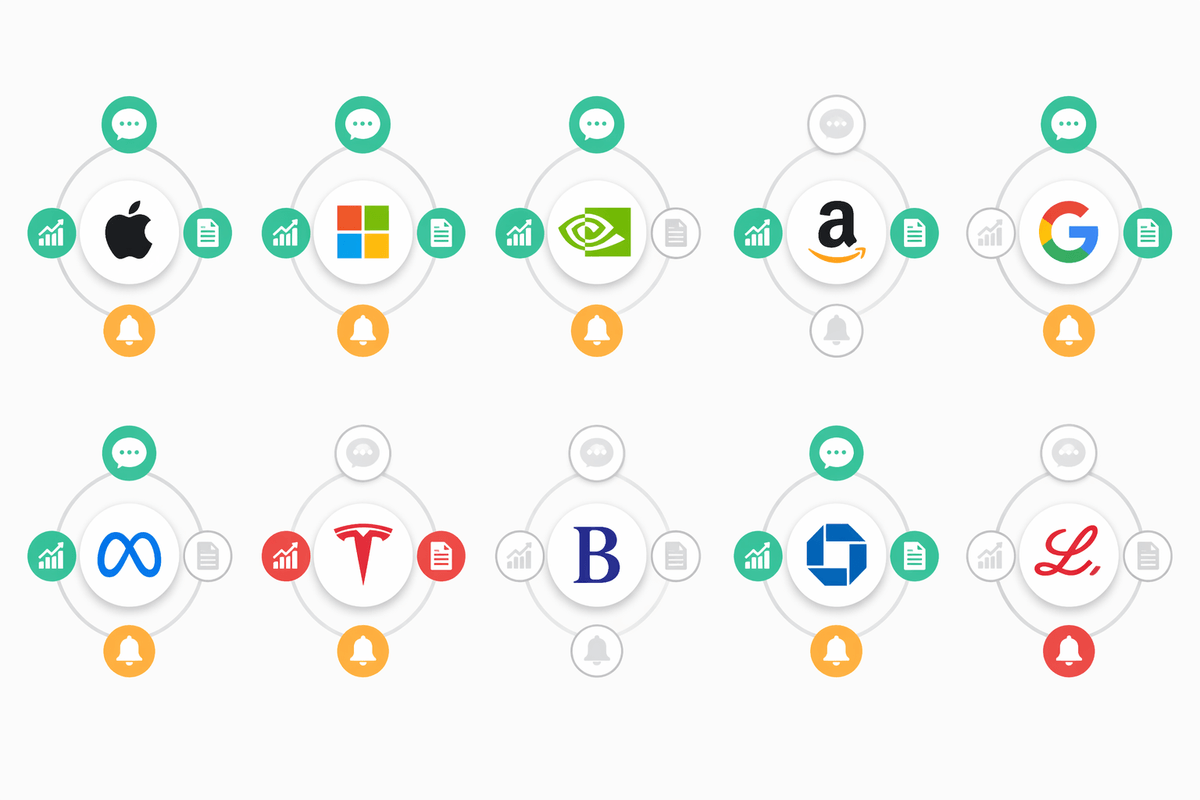
After you’ve forced yourself to read the counter-case, the next surprise is more mechanical: your watchlist isn’t evenly covered. The platform looks “deep” on megacaps, then turns thin the moment you click into a small-cap bank, a recent IPO, a foreign ADR, or an odd-lot preferred. That’s where subscriptions get wasted—because you paid for conviction-building features that only light up on half the tickers you actually hold. If you’re running a 25-name list and only have two hours on a weekend, gaps don’t just feel annoying; they change what you’re willing to buy or keep.
So do a quick audit before you commit. Pick 10 tickers across your real mix, then check: transcripts availability (Quartr), clean long-history fundamentals/segments (Stratosphere.io), structured write-ups (Value Line/Morningstar), and basic breadth plus alerts (Yahoo/Finviz). If three names come back with “limited,” you’re not choosing “the best tool”—you’re choosing which holes you can tolerate.
Tool friction: the week you try to use it daily
The first week is when the subscription stops being a concept and turns into a habit—or a tab you avoid because it feels like work. Monday looks productive: you set up a watchlist, add a few alerts, maybe save a screen. By Wednesday, the friction shows up. Finviz Elite can surface candidates fast, but you still have to click out to filings and transcripts, and the context-switching eats the 15 minutes you actually had. Morningstar or Value Line reads clean, yet the cadence is slower, so it’s easy to stop checking unless you’ve tied it to a monthly rebalance.
Quartr is the opposite problem: it’s great when you already know what you’re looking for, but listening to a 50‑minute call after work is a real timing cost. Stratosphere.io can tighten your thesis quickly, then asks you to do the hard part—decide what the numbers mean. Yahoo Finance Premium is the low-friction default, but it can quietly become “good enough” even when you needed a sharper bear case. The week ends with a clearer constraint: the tool that fits your daily rhythm wins, even if it’s not the deepest.
Partial resolution: pick one primary and one backstop
By the end of that first week, the decision usually stops being “which platform is best” and becomes “which one will I actually open when something moves.” A clean way out is to pick a primary that matches your dominant workflow, then add a cheaper backstop that challenges it. If you live in screens and alerts, Finviz Elite (or Yahoo Finance Premium) can be primary, with Value Line or Morningstar as the slower, narrative-check layer. If you’re thesis-first, Stratosphere.io plus Quartr can be primary, with a broad, low-friction feed as backstop.
The constraint is cost and attention: two logins is already a habit tax. Give it 30 days, then cancel the one you didn’t use to change a decision.








![6 Best Seeking Alpha Alternatives [Competitors’ Sites to Use]](static/image/2026/07/14/efb52e0a-28fa-4572-b12f-5ea63c79b09e.png)